Magyar


Thank you! Your submission has been received!
Oops! Something went wrong while submitting the form.
Built in 1894 as a studio house, the eight-story Neo-Renaissance building of Mai Manó House is one of the centers of Hungarian photographic culture. We present exhibitions of contemporary and historical photography, showcasing both Hungarian and international trends, and we organize a wide range of programs to develop, disseminate, and promote photographic culture.
There will be plenty of reasons to visit us in 2026 as well: among others, we will bring to Mai Manó House the work of such renowned artists as Maxim Dondyuk, Émile Zola, Nora Dumas, and René Maltête.
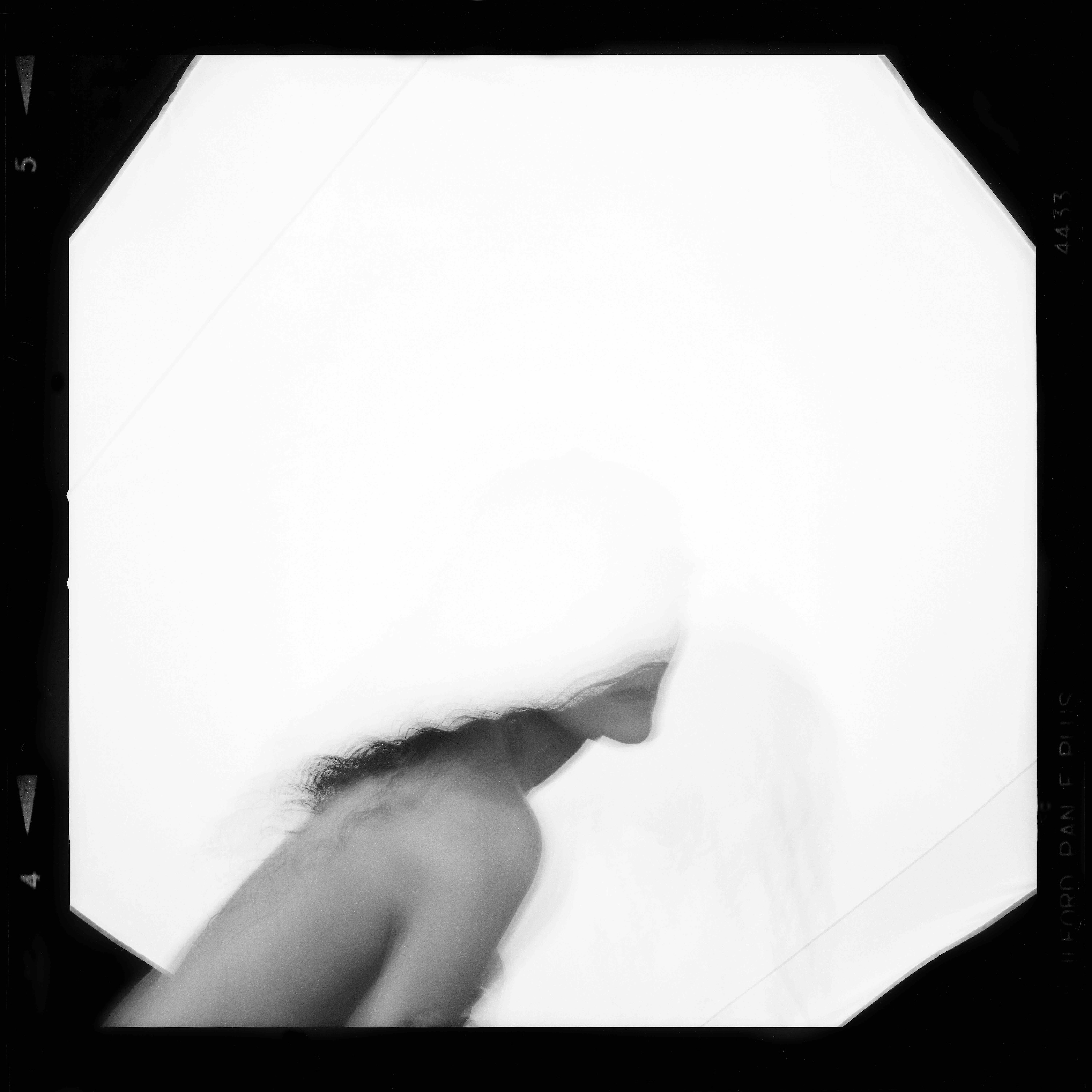
György Tóth is a defining figure of contemporary Hungarian photography. The works on view in Path (Emotions Beneath the Surface) go beyond mere representations of the female body; they offer a sensitive exploration of the relationship between space, movement, and time. For Tóth, the body is not just an object but rather an expression of energy that manifests in light and space. His images employ the techniques of classical photography while maintaining a consistently experimental approach: blur, motion, and multiple exposure are not errors but natural expressions of gesture and emotion. The exhibition features a dedicated section highlighting the iconic 1995 portrait Emese, which has become one of the most recognized female nudes in Hungarian photography.
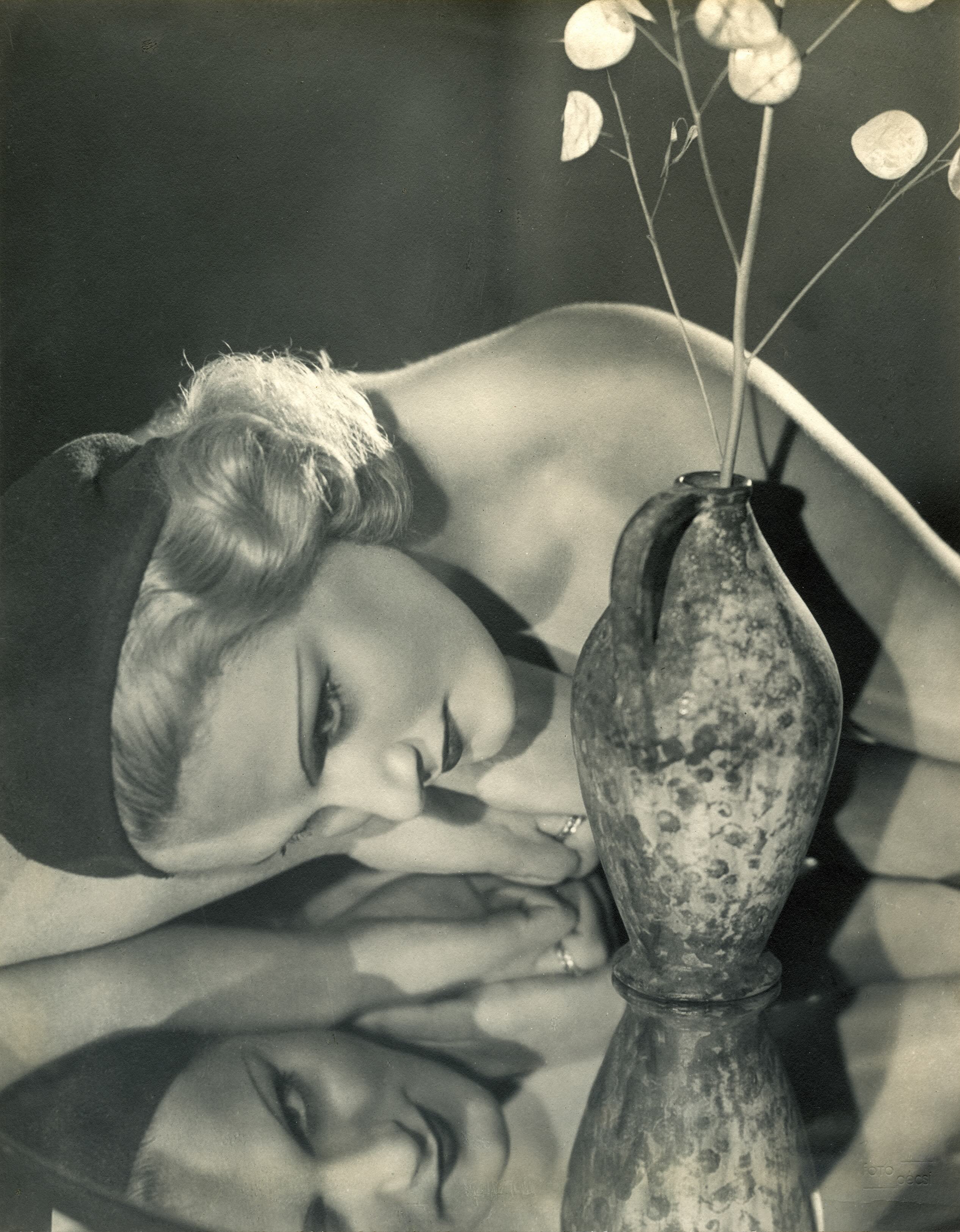
On the second floor, alongside Tóth’s exhibition, visitors can explore Undressed in Light an exhibition curated from the collection of the Hungarian Museum of Photography. This showcase highlights prominent creators of early 20th-century Hungarian nude photography, including Angelo, Manci Bäck, Ferenc Berko, Olga Máté, and József Pécsi. The exhibition examines the significance of body representation as a central theme in modernity. Through the medium of photography, nudity takes on both aesthetic and psychological dimensions. Thus, the body ceased to be a mere subject of representation and instead became an image reconstituted by photographic practice, where art and documentation, intimacy and formal structure, and desire and aesthetics intersect.
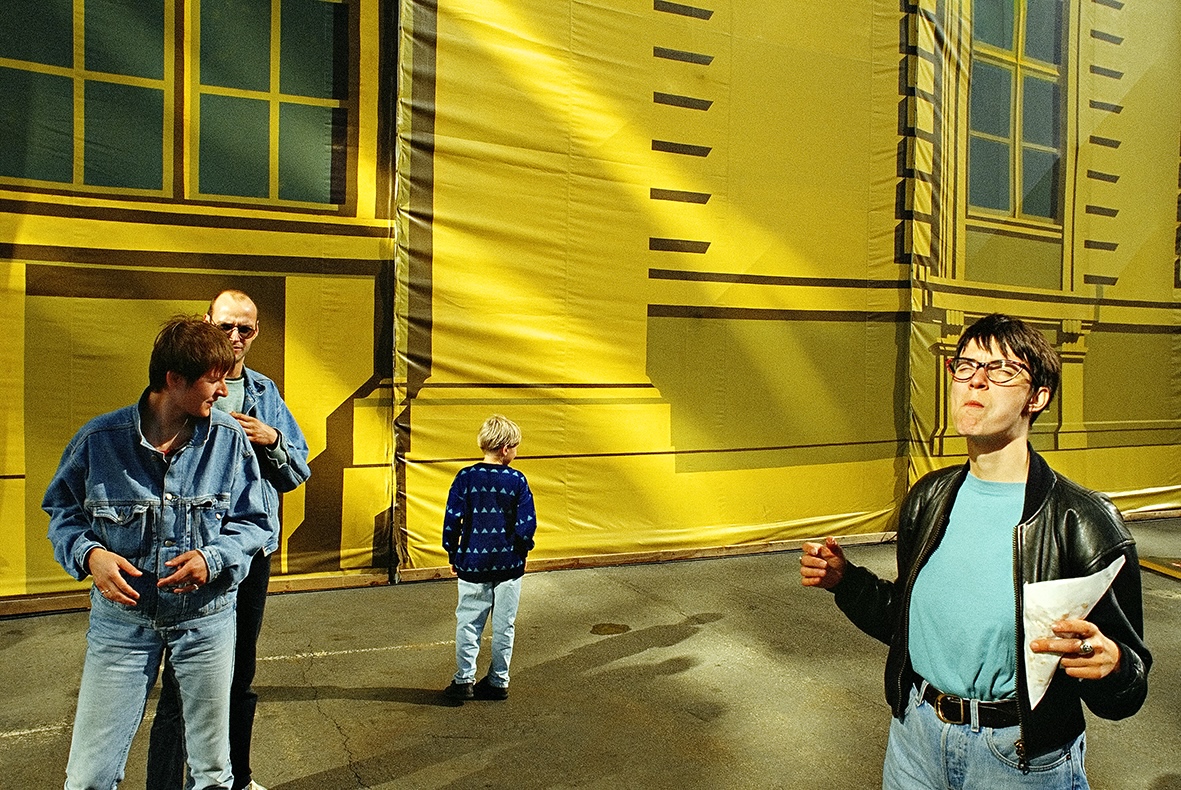
In spring 2026, Mai Manó House will present a major solo exhibition of Vladimír Birgus, a prominent figure of contemporary Czech photography. A photographer, curator, photo historian, and professor at the Institute of Creative Photography at the University of Silesia in Opava, Birgus has been a key presence in the Central European photographic scene for more than six decades. His works are included in the collections of leading institutions worldwide—among them the Musée Européenne de la Photographie (Paris), the Ludwig Museum (Cologne), the San Francisco Museum of Modern Art, and the Tokyo Metropolitan Museum of Photography.
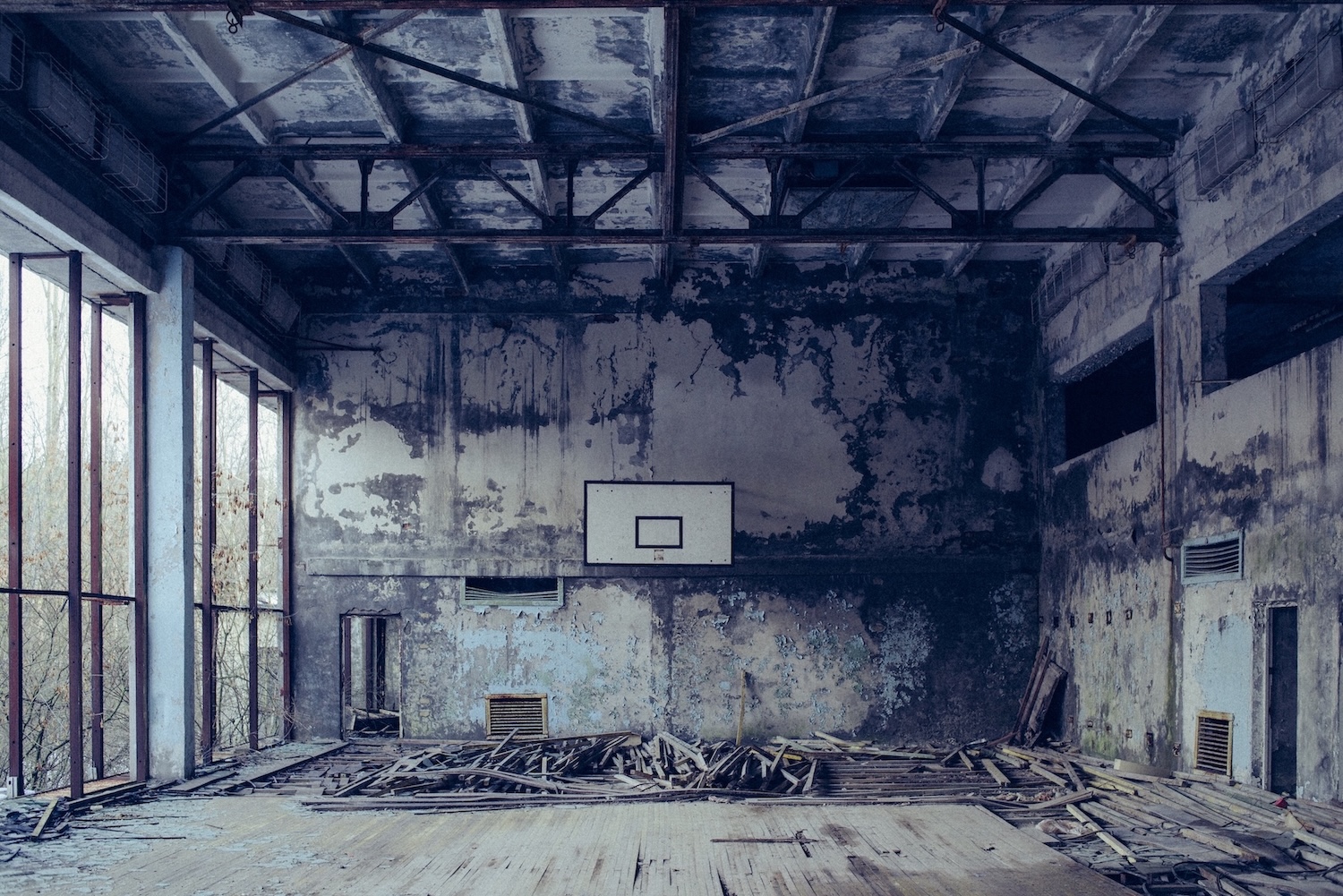
The exhibition of Ukrainian photographer and visual artist Maxim Dondyuk is particularly noteworthy, as it will be presented on the 40th anniversary of the Chernobyl nuclear disaster, April 26, 2026. The exhibition draws from an archive of over 15,000 items—Dondyuk’s personal collection—containing family photographs, letters, and film reels found in abandoned homes. Among these are shots left behind by a professional photographer who once worked at Kyiv’s renowned Dovzhenko Film Studio. Dondyuk rescued and digitally preserved these visual documents to present them together with the marks of decay, illustrating the process of collective memory loss.
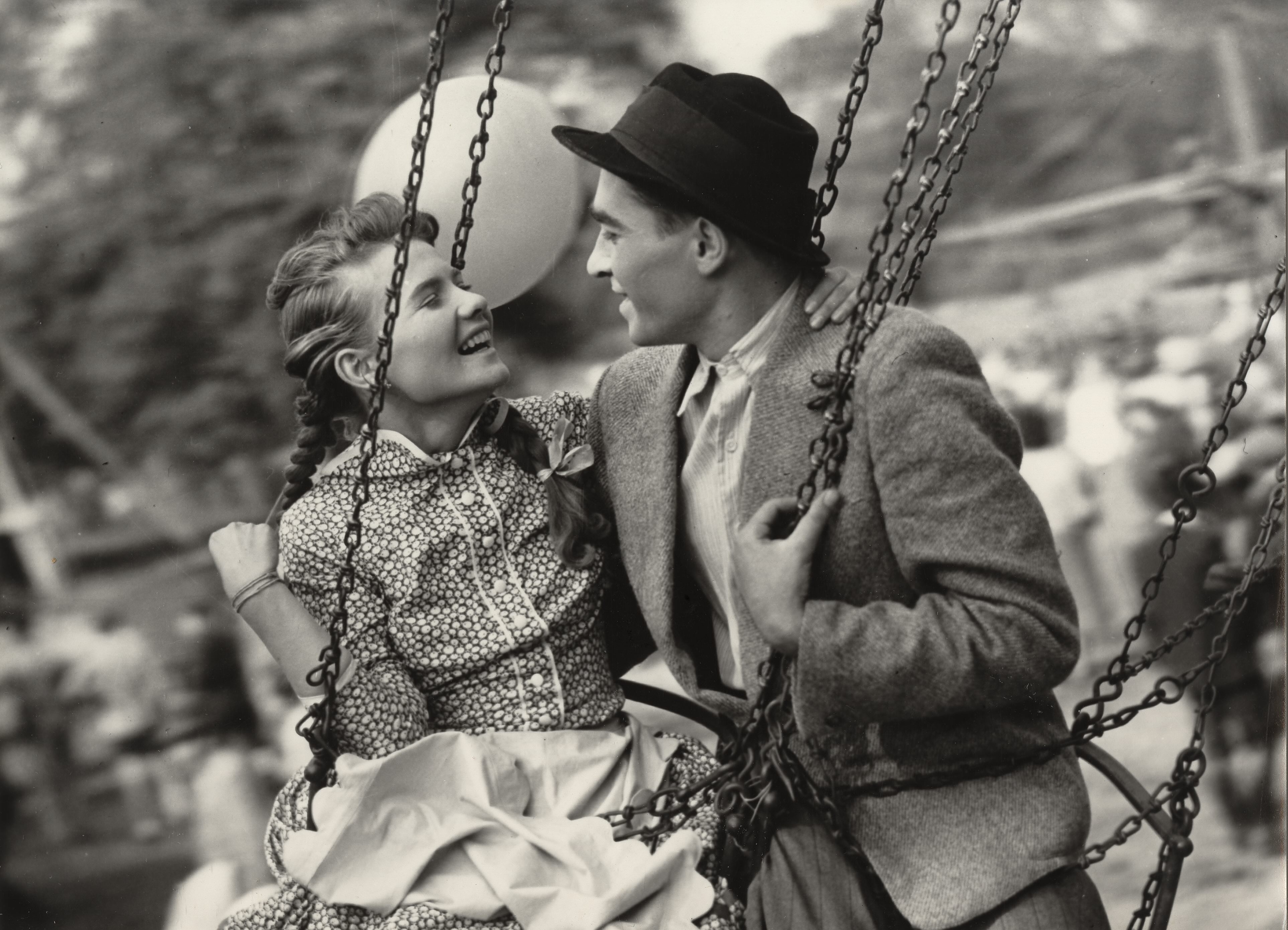
In the summer, Mai Manó House will present a two-part exhibition titled Take One! – Moments from the 125-Year History of Hungarian Film. The showcase, created in collaboration with the National Film Institute, celebrates the 125th anniversary of Hungarian film production. The first part of the exhibition evokes iconic periods and works of Hungarian film history through production stills and on-set documentary photographs. Visitors will have the opportunity to see images from the sets of films such as Carousel (1955), The Witness (1969), Love (1970), The Lovely Green Grass (1979), The Pagan Madonna (1980), and Sound Erotica (1985). These photographs not only revive the atmosphere of these films but also possess artistic value in their own right, revealing the role of photography in documenting the birth of cinema.
The second floor offers a broader panorama of film photography, showcasing a timeline that spans over a hundred years. Approximately fifty production stills and on-set documentary photographs highlight key moments, stylistic shifts, and iconic works throughout this extensive history.
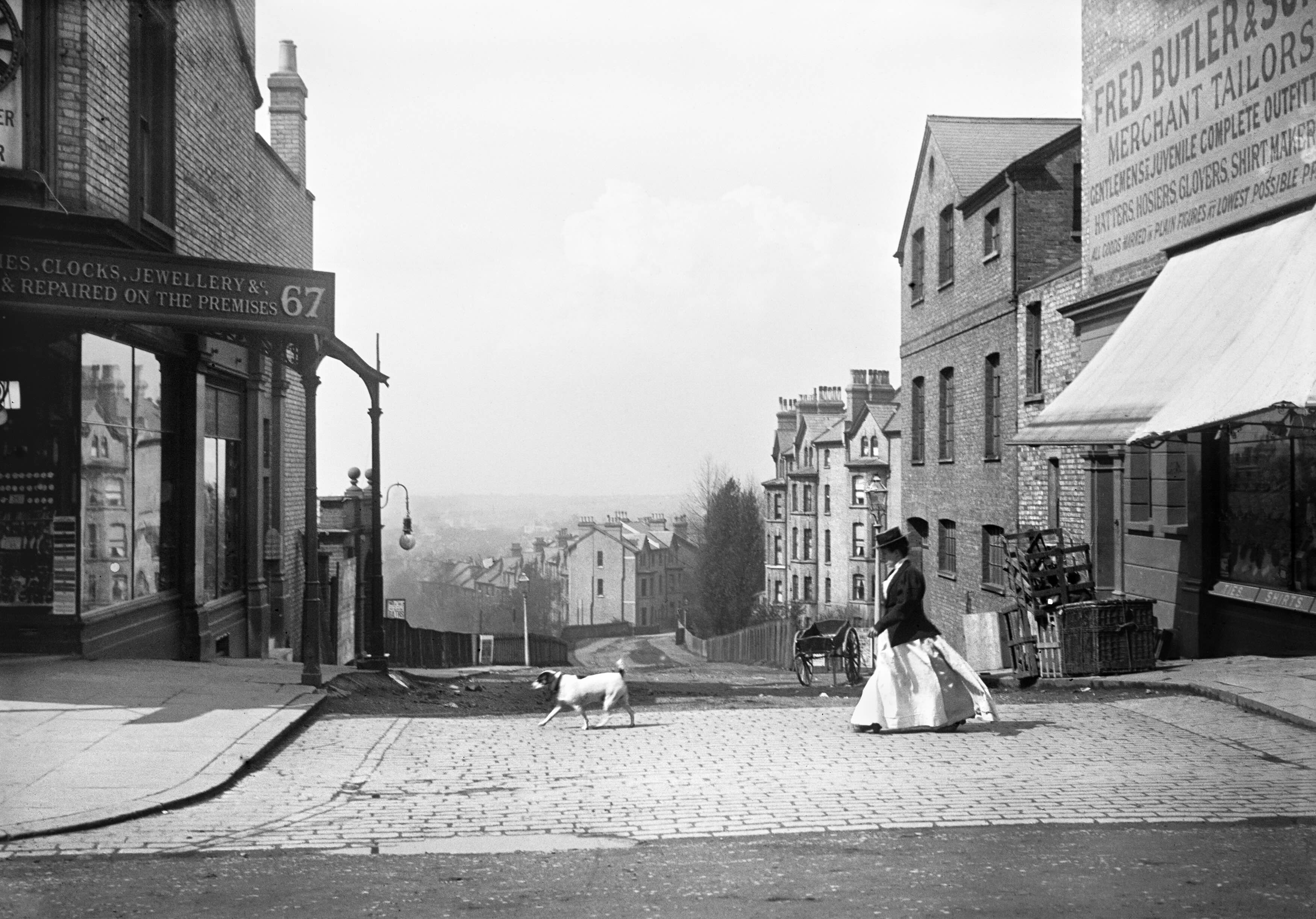
Opening in the fall of 2026, an exhibition will explore the photographic work of the legendary French writer Émile Zola, presenting more than one hundred enlargements and original photographs. Zola spent many years as an art critic and maintained close friendships with Impressionist painters. Many of the photographs on display reflect the compositions, cropping, or arrangement of motifs and figures found in the paintings he admired and frequently commented on. This exhibition offers a unique opportunity to discover a more intimate, family-oriented Zola—a very different figure from the “serious” author typically portrayed in literary history.
The exhibition, which opens on the second floor during the same period, is a special showcase dedicated to Nora Dumas (1890–1979), one of the most distinctive and original voices among the Hungarian photographers who shaped modern European visual culture. Her photographs focus on everyday life: working women, rural communities, and quiet yet powerful moments of dignity—all depicted with deep empathy and understated lyricism. The works on display date from her most productive period, from the late 1920s to the 1950s, reflecting both her Parisian surroundings and her deep connection to the French countryside. Although her photographs appeared in numerous European magazines, her artistic significance was long overshadowed by her male contemporaries. This exhibition seeks to re-establish Nora Dumas as a pioneering artist whose work embodies humanism, social sensitivity, and a refined sense of form.
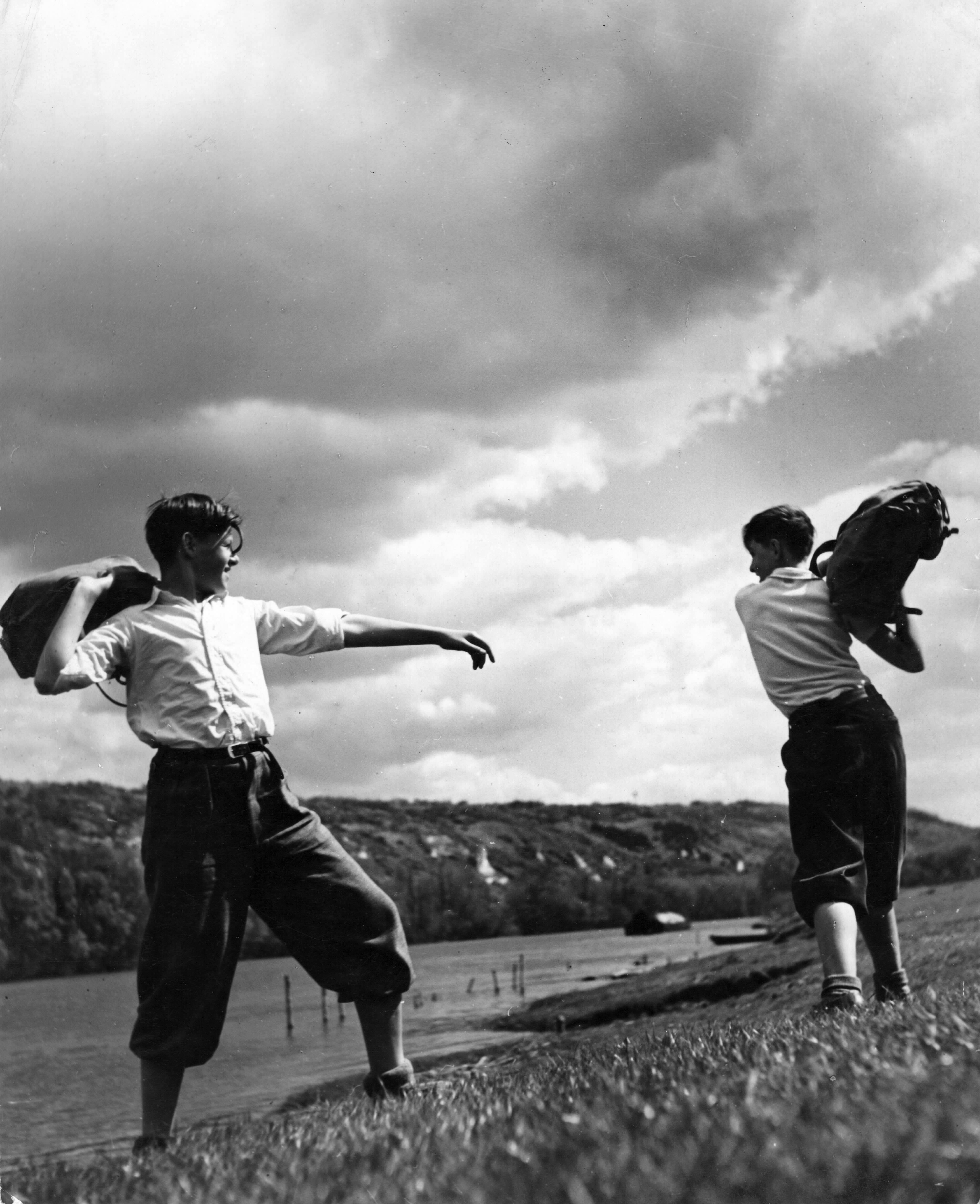
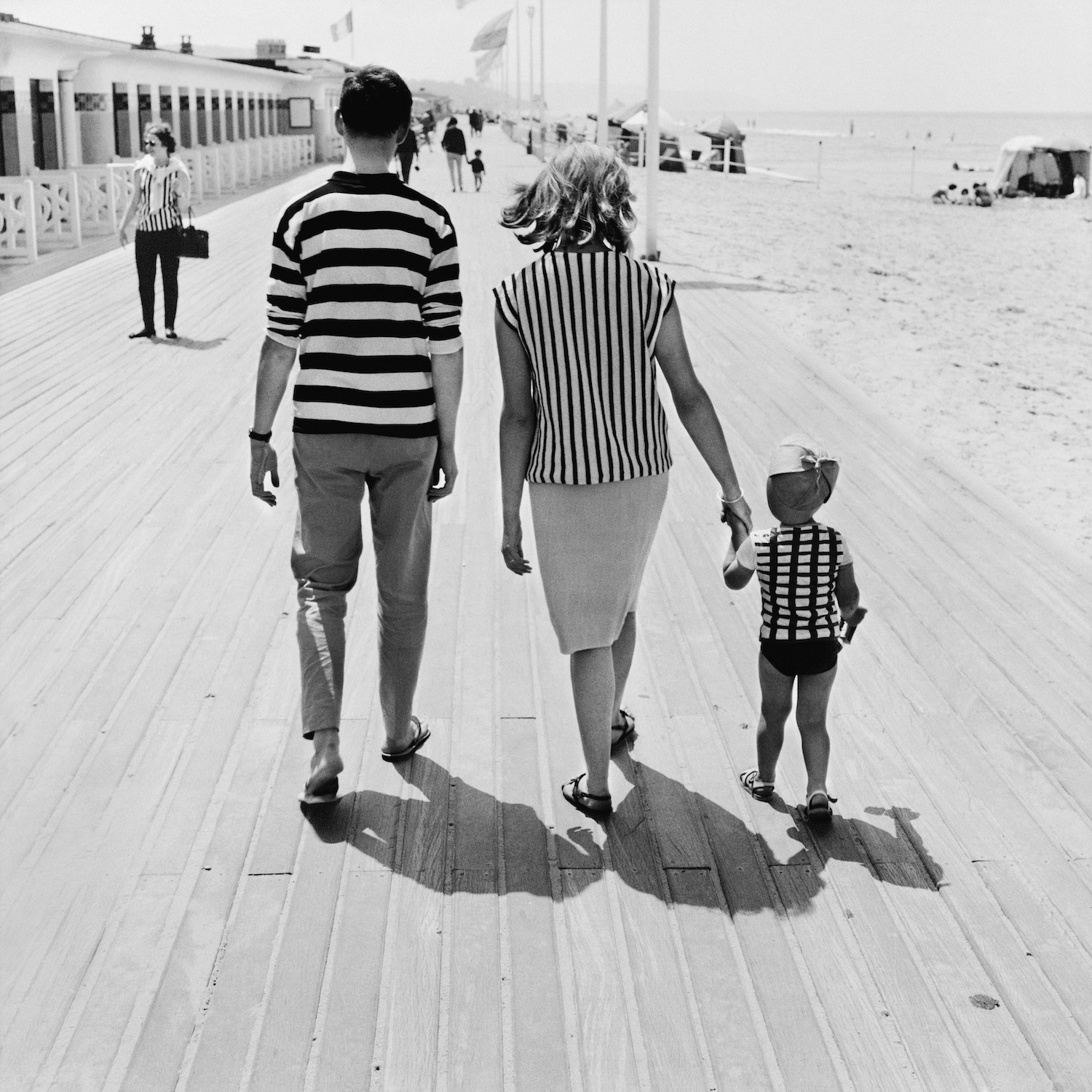
We close the year 2026 with an exhibition of candid and humorous photographs by French photographer René Maltête, who began his photography journey at the age of sixteen with a Pontiac 6×9 camera. In 1915, he moved to Paris, initially working as an assistant director. Three years later, he bought a Semflex 6×6, hoping to launch a serious photographic career. Ironically, it was a less “serious” series that brought him major success. Maltête became known for capturing street life infused with ironic humor, revealing that the funniest moments in life are often just a matter of good timing.