Magyar


Thank you! Your submission has been received!
Oops! Something went wrong while submitting the form.
Free admission
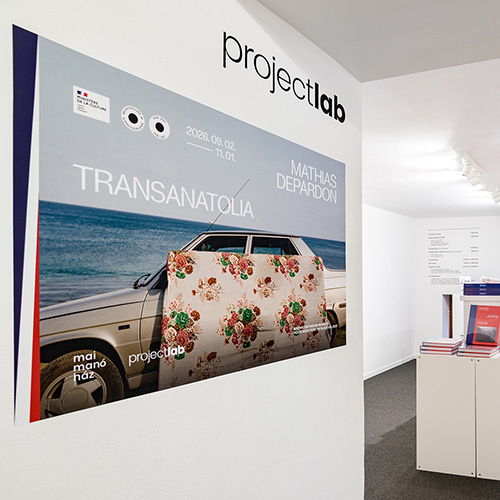
September 02 – October 25, 2026
Curator: Anna Kereszty
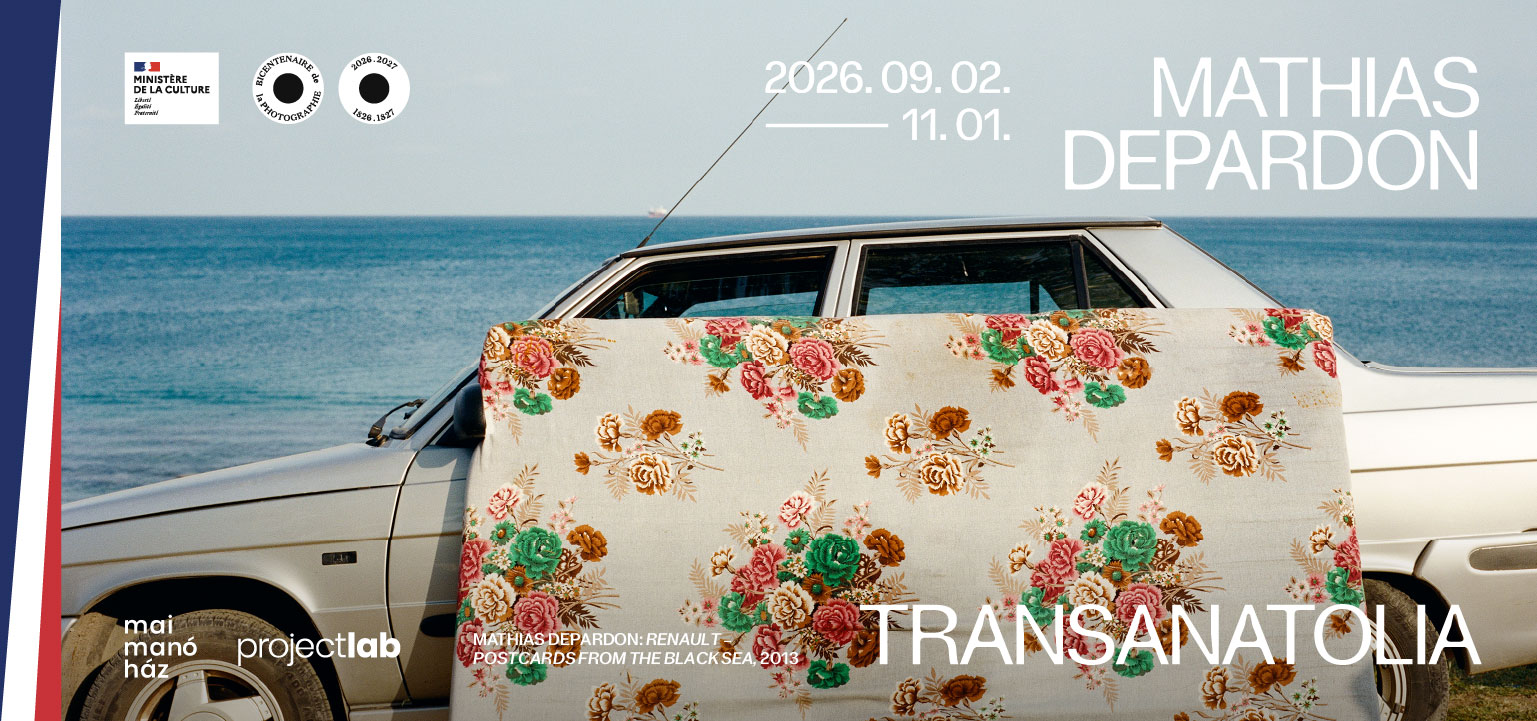
Transanatolia is a journey through time and space along Turkey’s peripheries. These areas are not only border zones in a geographical sense, but also places where different identities, histories, and power dynamics intersect.
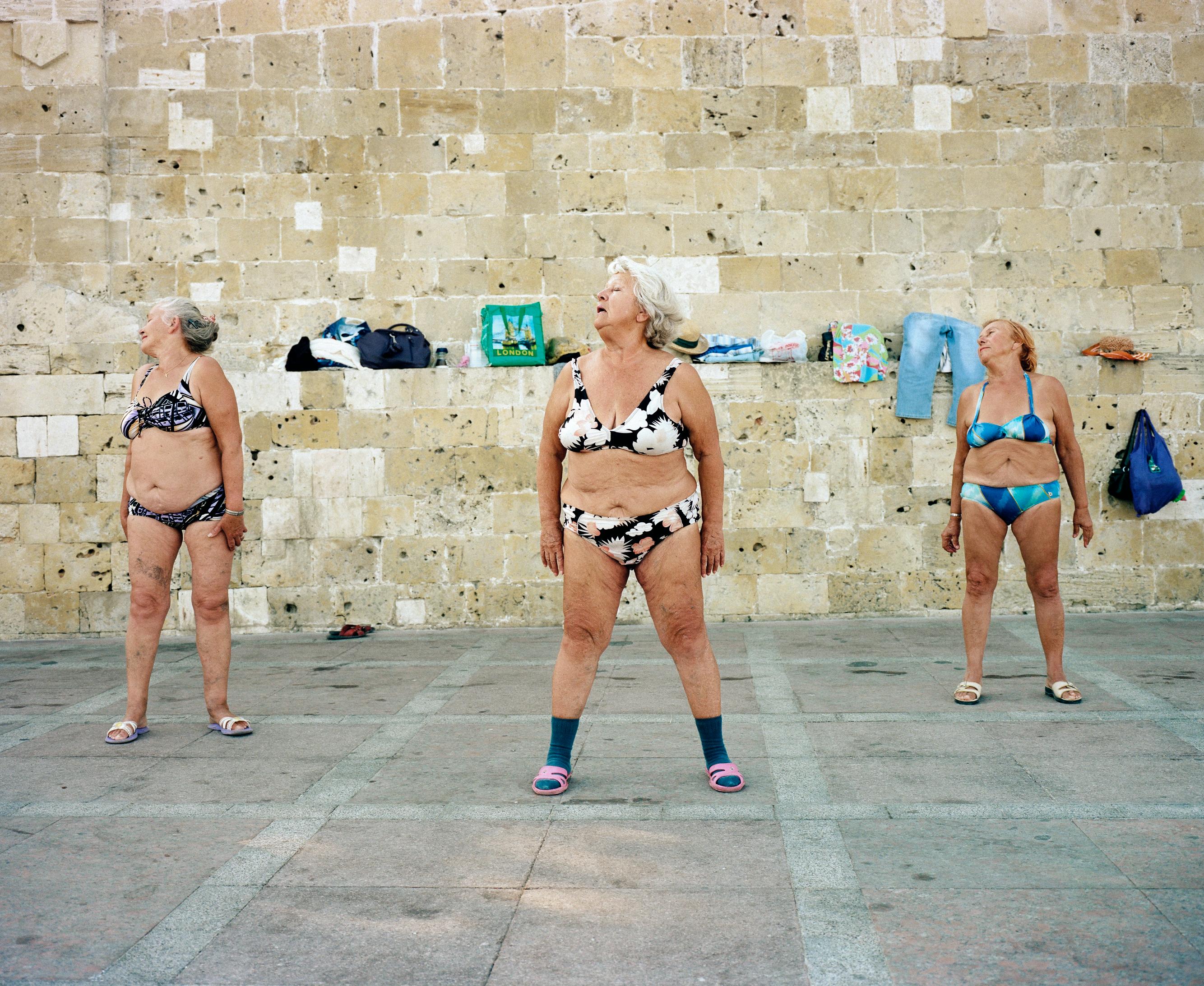
Mathias Depardon lived in Turkey for six years, working as a photojournalist for various international magazines and news, therefore he knows the region well, which gave him the opportunity to immerse himself in the environment and explore the “Turkish soul.” For five years, he photographed these regions, where modernization and historical memory coexist, often in tension with one another. His images are characterized by both a poetic sensibility and a perceptive documentary eye. Portraits of generations, urban or rural landscapes reveal the region’s dense, multi-layered nature.
To understand the evolution of Turkish identity, we must approach it from the perspective of borders. Turkey’s borders have been constantly shifting throughout history and, even today, often appear as zones of conflict: such as the Black Sea, a geopolitical axis between Russia and Anatolia; the Kurdish regions, where water and infrastructure are sources of tension; and the peripheries of the Caucasus, where regional conflicts persist to the present day. The series guides the viewer around these geographical, ideological, and cultural boundaries; it invites them on a journey that attempts to reveal the complexity of these areas.
Turkey is a modern political creation, a relatively new state formed in 1923 following the collapse of the Ottoman Empire after World War I. As a result of the trauma of the Empire’s dismantling, the question of borders is not a settled historical fact, but a narrative that is constantly open to question. According to political scientist Hamid Bozarslan, in the case of Turkey, borders are not geographical lines but rather part of a “historical mission”, drawn between the empire’s past, the current state, and ambitions projected into the future.
In Depardon’s sensitive, timeless images, different layers of the past intertwine. In his photographs, he conveys the tensions of historical narratives not as direct political statements, but as subtle, empathetic, and poetic observations. It is often difficult to tell whether the photos were taken in the recent past or decades ago. This timelessness is not merely an aesthetic experience, but an imprint of the region’s historical depth. The memory of the Ottoman Empire, the radical break with the imperial legacy by the modern nation-state founded by Atatürk, and contemporary political discourse all point to an emotional and geopolitical space that is, in fact, far more extensive than what current borders denote.
As a former borderland, Hungary’s history is closely linked to the Ottoman Empire. Due to its geographical location, it can still be interpreted as a kind of intermediate space between East and West. For Hungarians, Transanatolia is thus not only a photographic journey to a distant region, but also raises familiar notions about Central European identity.