Magyar


Thank you! Your submission has been received!
Oops! Something went wrong while submitting the form.
The exhibition is open to the public:
20 February 2026 – 22 March 2026
Curator: Péter Baki
Co-curator: Gáspár Kéri
Opening: 19 February 2026, Thursday, 6 pm
The exhibition will be opened by Dávid Fehér, art historan.

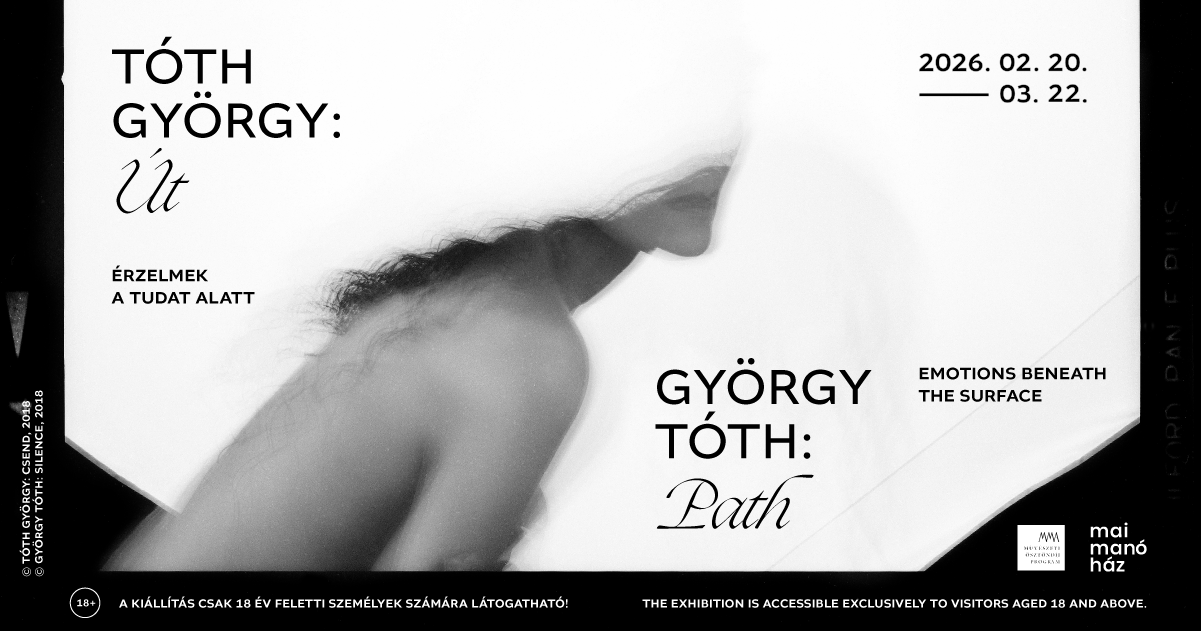
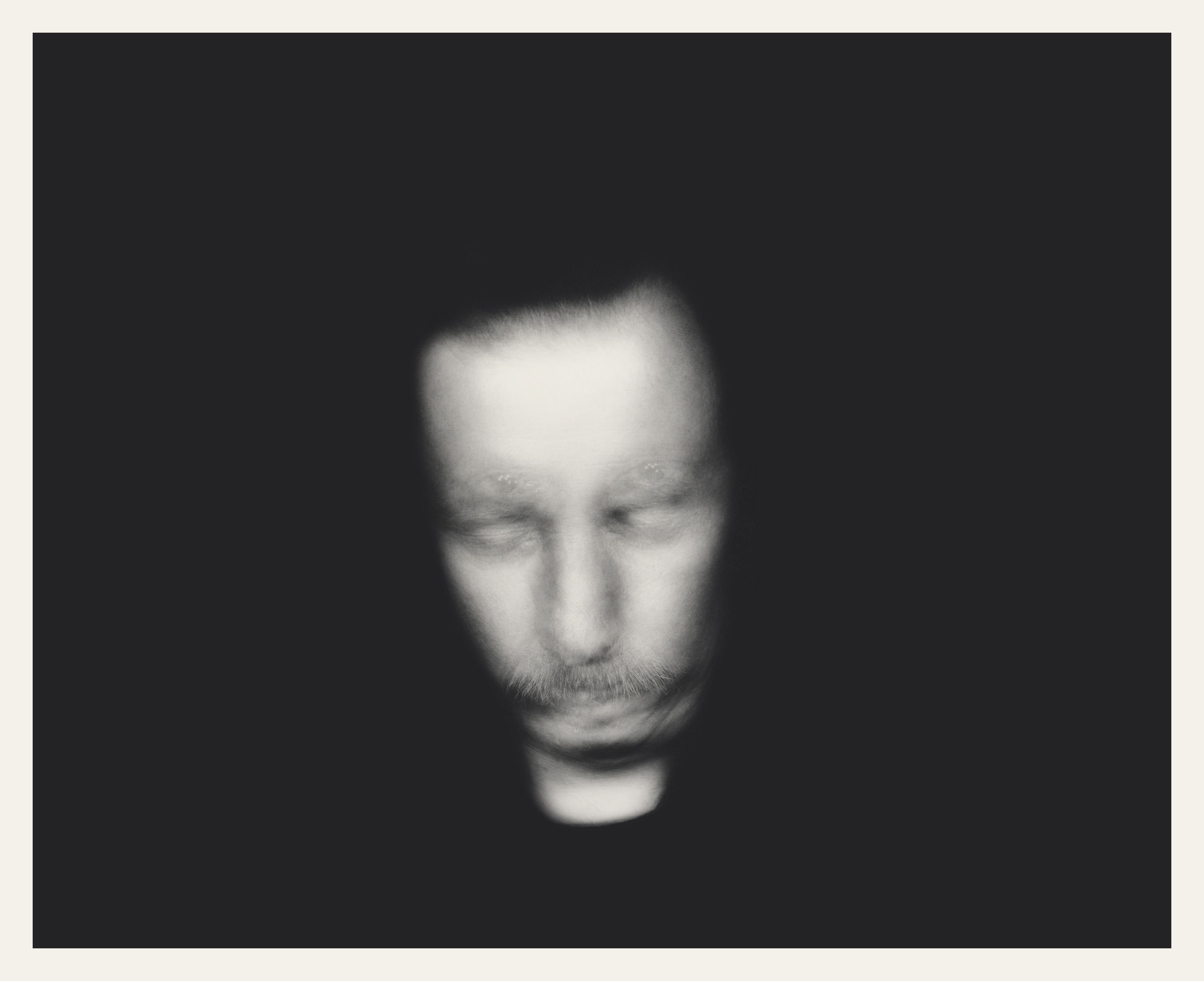
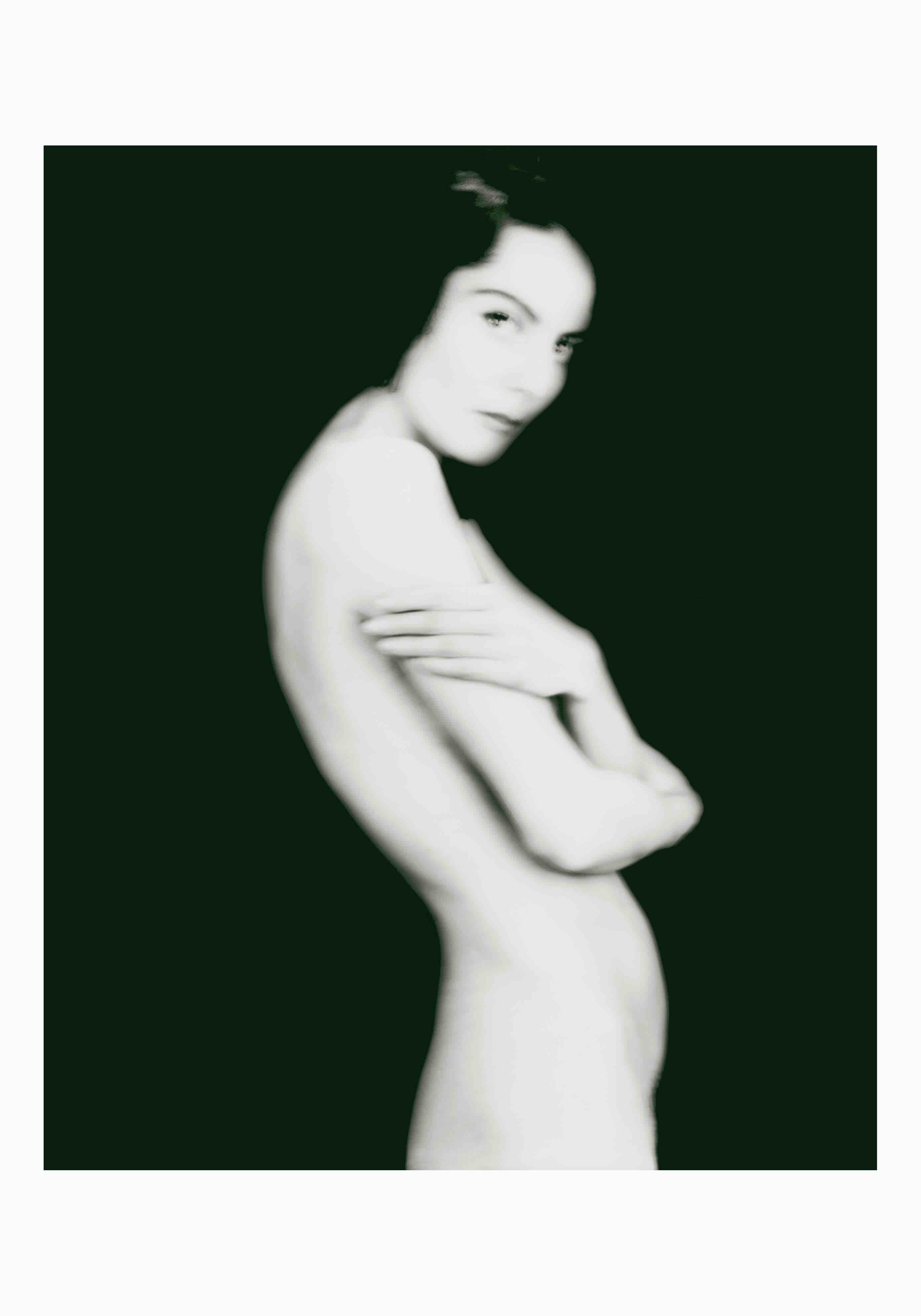
György Tóth’s autonomous photographic oeuvre emerges from the experimental boundaries of the medium, where technical precision and the instinctual creative action blend into a single gesture. His images are not about capturing the moment but about recreating them as imprints of light and time in motion. The use of controlled chance in his work is not a contradiction; rather, it is an ars poetica, which manifests itself in the regulated order of irregularities, in the invocation and simultaneous control of chance throughout the photographic process.
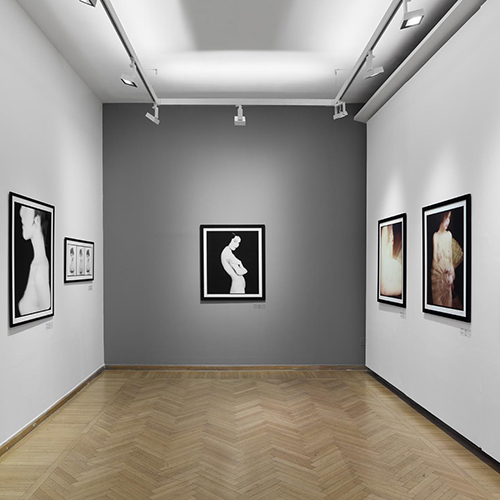
The exhibition material – shaped in part by a comprehensive archival reorganization undertaken during the pandemic – presents Tóth’s iconic works and a selection of rarely seen photographs, many of which have only been shown abroad or have never been exhibited. The experimental phase that began in the late 1980s marks a shift from applied photography to fully autonomous artistic practice. Spanning over three decades, this period revolves around a central inquiry: how time and the human body can be visually represented while exploring the paradoxical relationship between movement and stillness.
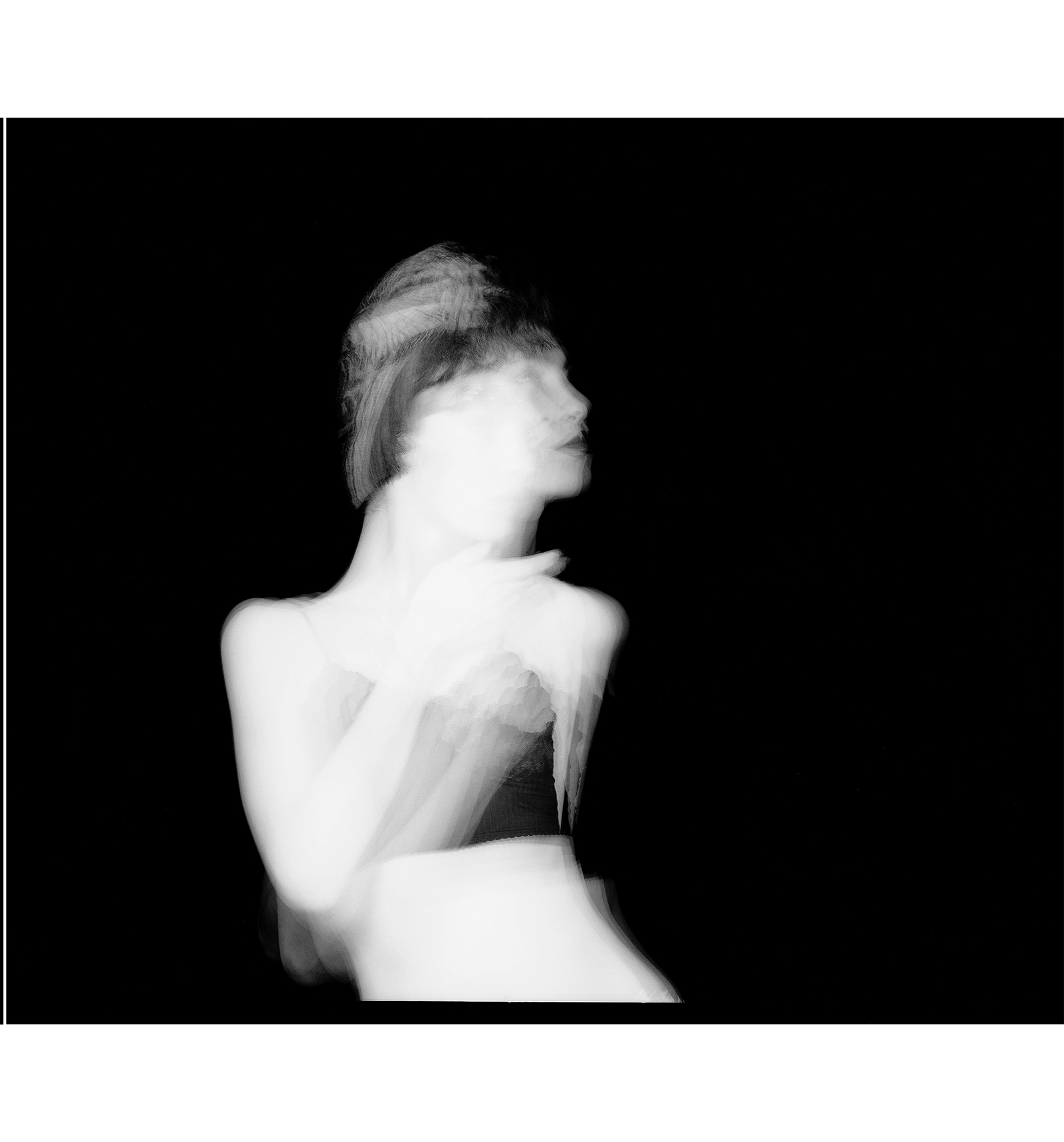
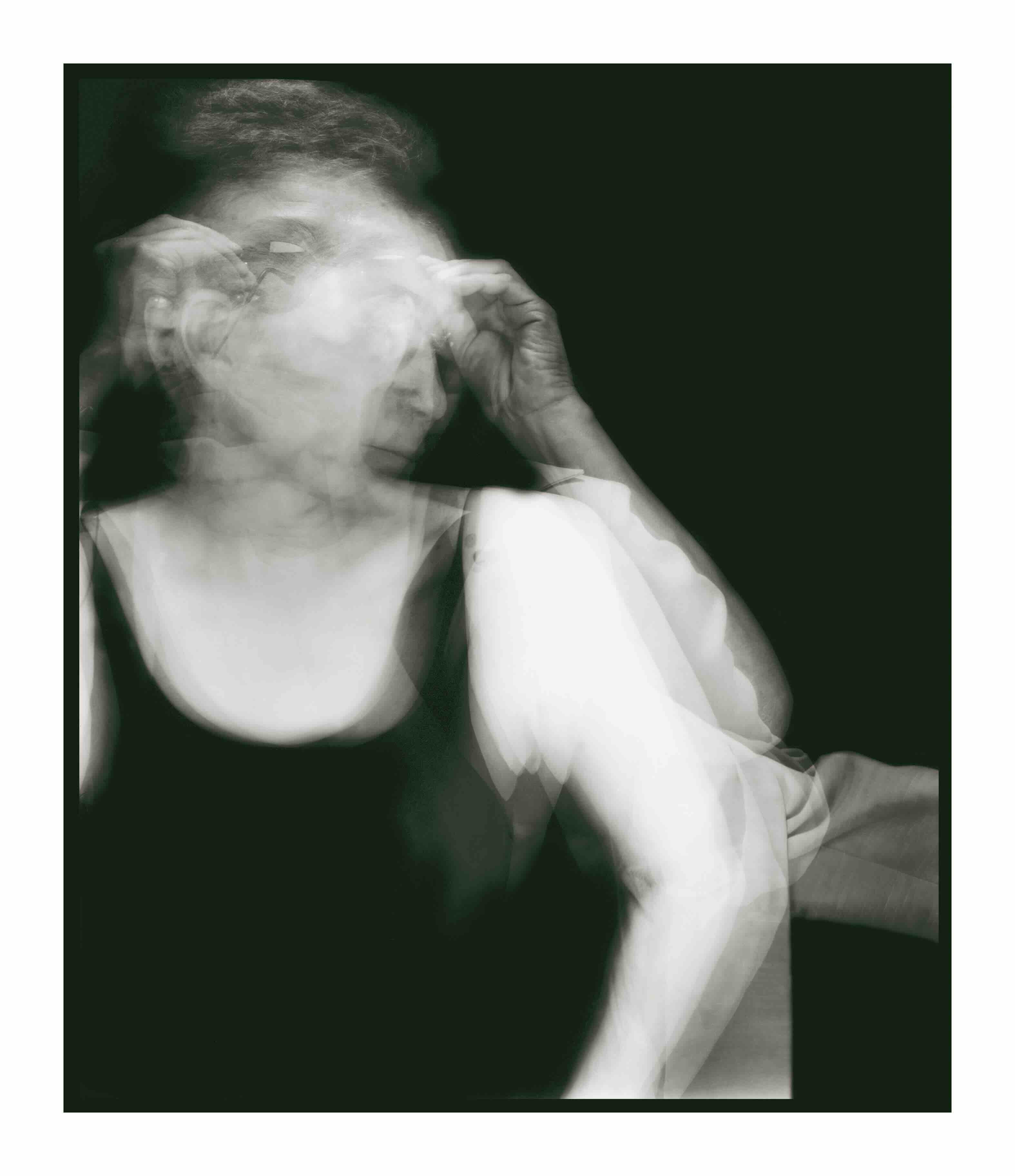
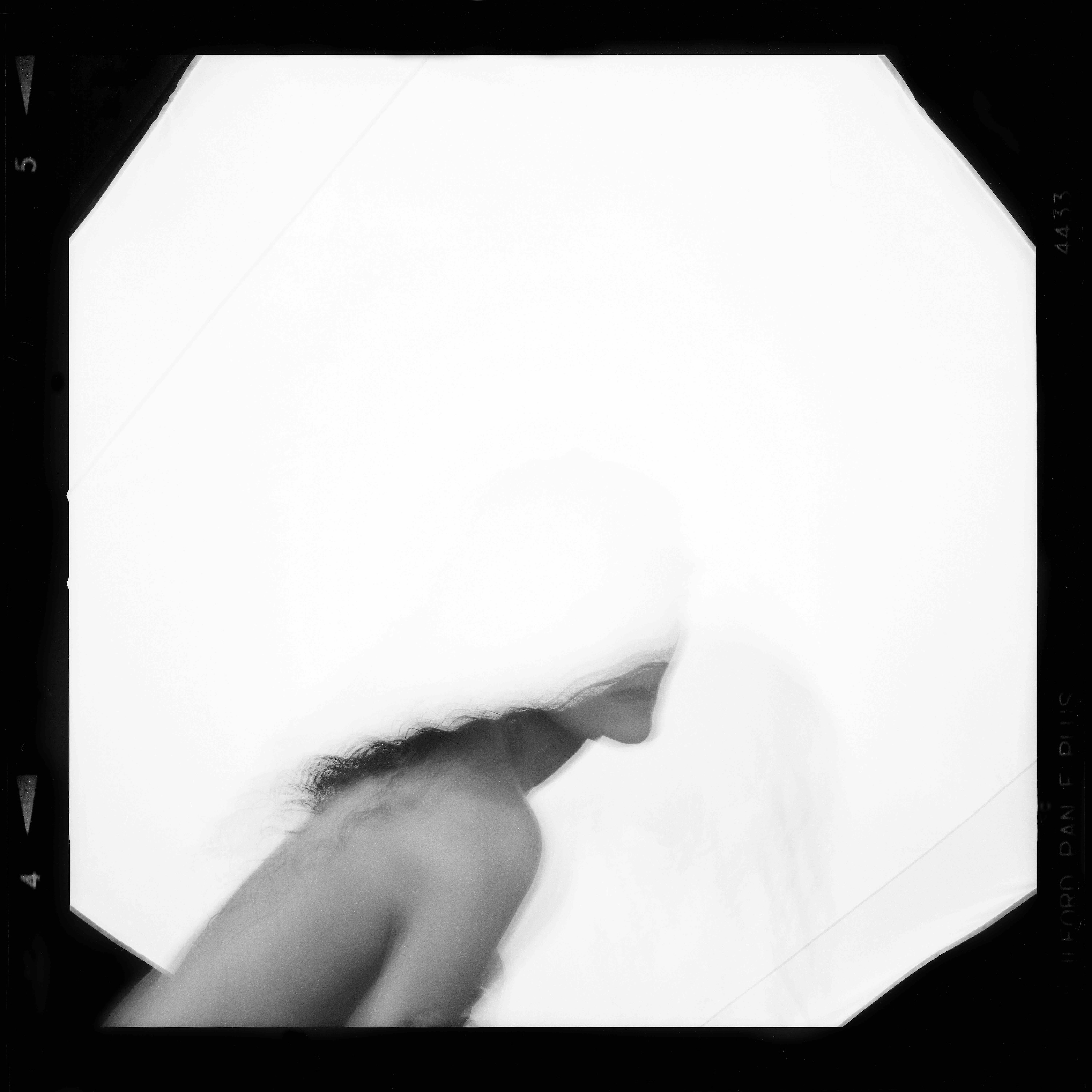
The artist’s method is both radically simple and radically consistent. Most of the photographs were taken using the B setting, which allows for a long shutter speed – typically around thirty seconds. During this time, the model is illuminated by eight successive flashes. In this approach, long exposure is not a source of potential error; instead, it is a deliberate creative tool. Movement does not blur on the light-sensitive emulsion of sheet or roll film but instead becomes multidimensional. Light, therefore, does more than just illuminate: it constructs the very structure of the image. The body, captured through repeated bursts of flash, dissolves into stratified layers of time. In this way, one could say that Tóth’s photographs transform the image itself into a topography of time.
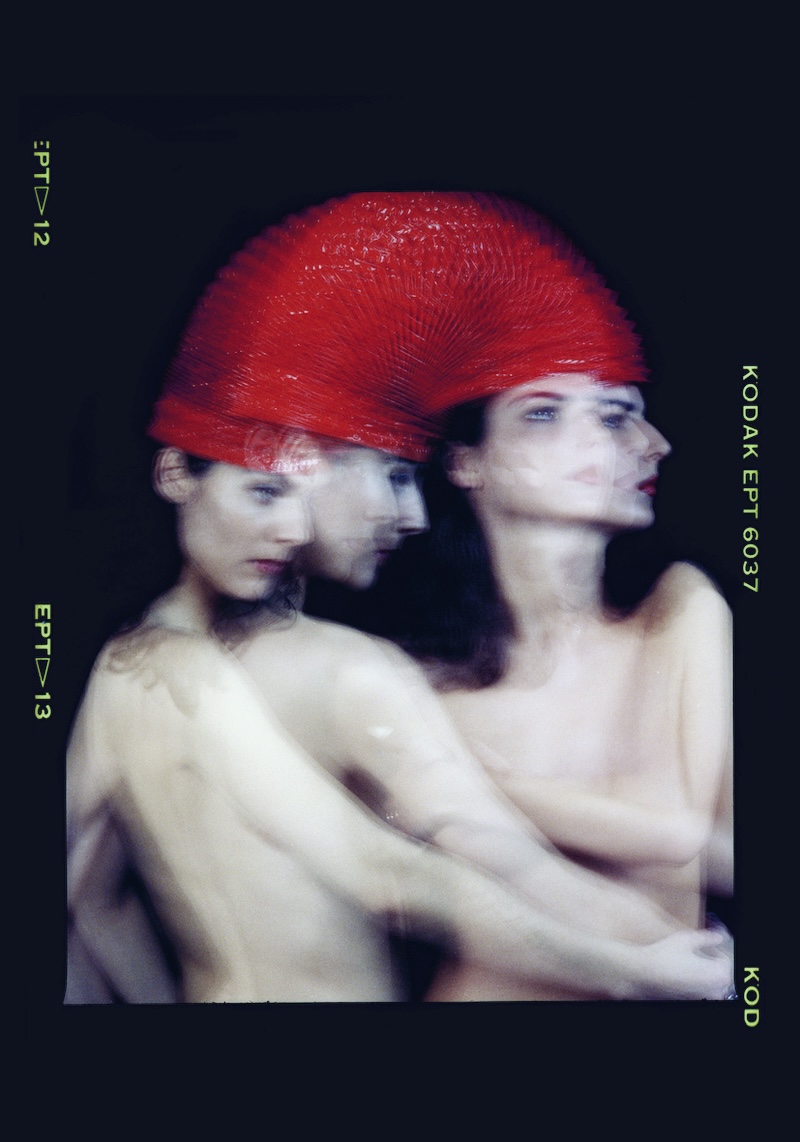
The use of light is both technically and poetically decisive. The high-key illumination – often directed from the front – combined with a white backdrop and the use of hazy light flash, eliminates shadows and renders the relationship between the figure and space permeable. As a result, the body is not perceived merely as an object but as a field of energy, a distinctive light-torso. Occasionally, these images are complemented by technically disruptive procedures, including the use of expired film stock, cross-processing, or exposing reversal film as slides and then developing them as negatives.
For György Tóth, long-exposure photography is not merely a technical skill but a way of thinking. Capturing movement becomes a thoughtful manipulation of time; the image is not a snapshot of a single moment but rather the superimposition of several moments. In this context, controlled chance reflects a delicate balance between control and unpredictability. The movement is guided, but the intervals between exposures remain unpredictable – human presence cannot be fully composed, only invoked. This gesture is fundamental to Tóth’s photographs.
Nevertheless, in his work, time becomes perceptible not as a linear flow, but as something layered, superimposed, and reflective. Tóth’s iconic piece Emese – one hallmark of contemporary Hungarian photography and a cornerstone of his oeuvre – renders the female body as an almost translucent figure shaped by light. Suspended between motion and stillness, the figure is simultaneously tangible and abstract, embodying both presence and absence. Paradoxically, the image conveys the intimacy of corporeality and the distance of sacred icons: the body becomes spirit, and light becomes a metaphor for presence.
Emese operates on multiple levels of self-reflection. For the artist, it represents both a personal memory and a key work in his practice. For the viewer, it serves as a universal image of femininity and the human condition.
György Tóth’s interests in film, music, and the visual arts profoundly influenced his thinking and visual language. The cinema of Andrei Tarkovsky has been a significant source of visual and musical inspiration for him, along with the band Syrius, which operated on the boundary between the tolerated and the forbidden during its brief but seminal period in Hungary. Tóth has watched Tarkovsky’s Andrei Rublev countless times, analyzing it frame by frame. Meanwhile, Syrius’s progressive sound – particularly its improvisations and rule-breaking structures – has served as a metaphor for photographic composition rooted in rhythm and intuition. A direct reference to this influence is his triptych REMEMBRANCE! (1970–1974. Syrius), created in 2014. His photograph titled Bird refers to Charlie Parker, as jazz in its various forms – especially Parker’s inward-blowing intimacy and John Coltrane’s outward-projecting intensity – has been a significant source of inspiration for the artist. Like jazz, Tóth’s photographs often embody a mix of irregularity and geometry, as well as accidental and conscious creative traces.
A substantial portion of Tóth’s works were created using large- or medium-format cameras. Through his deliberate choices of photographic materials, he emphasizes the ‘living’ nature of the medium itself. In his color photographs, the occasionally expired light-sensitive emulsion and its carrier are not merely tools or a medium; they become active participants in the image. Photographic flaws transform into aesthetic values, and chance becomes a component of the image. The photograph, thus, ceases to be a mere copy of reality and instead becomes a trace of it—not a reproduction but an imprint.
This approach links Tóth to the twentieth-century avant-garde and represents a conscious breaking of rules, which he discovered in the works of Francis Bacon or Tony Richardson’s film The Loneliness of the Long Distance Runner. Both of these influences highlight the expressivity of the human condition, the inner tension, and the distortion. In a similar spirit, Tóth’s images aim to capture the inner tremors of the human form and movement itself, using the tools of photography: light, time, and rhythm.
In Tóth’s photographs, the female body is not merely an object to be viewed; rather, it is a medium of perception. The figure often seems to dissolve into the light, with the contours blurring as if the body itself were the source of illumination. For the viewer, this experience is both sensual and meditative, allowing interpretations that extend beyond the boundaries of the image. The paradox of movement fixed in space is a recurring theme in his work. The figure is portrayed as both in motion and at rest, with shadows and outlines colliding with one another. This dynamic duality lends the images a heightened sensitivity to the time of their reception. György Tóth’s photography speaks, among other things, to the relationship between light and memory. The camera for him is not just a tool; it is a means of recording time. Each image contains both past and present as well as the echo of motion and the superimposition of layers of light. As extensions of visual trace-making, György Tóth’s photographs are at once physical and spiritual imprints.
Gáspár Kéri
A bilingual Hungarian–English catalogue is being published to accompany the exhibition, which will be presented by Gáspár Kéri the exhibition’s co-curator, during a special guided tour on February 20.
Suggested time to visit the exhibition: 30‒50 min.
Mai Manó House is not barrier-free.
Please note that the exhibition is accessible exclusively to visitors aged 18 and above.
Please note that audio and video recordings may be made on our events, from which Mai Manó House may use extracts to promote the institution's programmes.