Magyar


Thank you! Your submission has been received!
Oops! Something went wrong while submitting the form.
The exhibition is open to the public:
20 February 2026 – 22 March 2026
Curator: Rita Somosi
Opening: 19 February 2026, Thursday, 6 pm
The exhibition will be opened by Bence Csalár, fashion expert


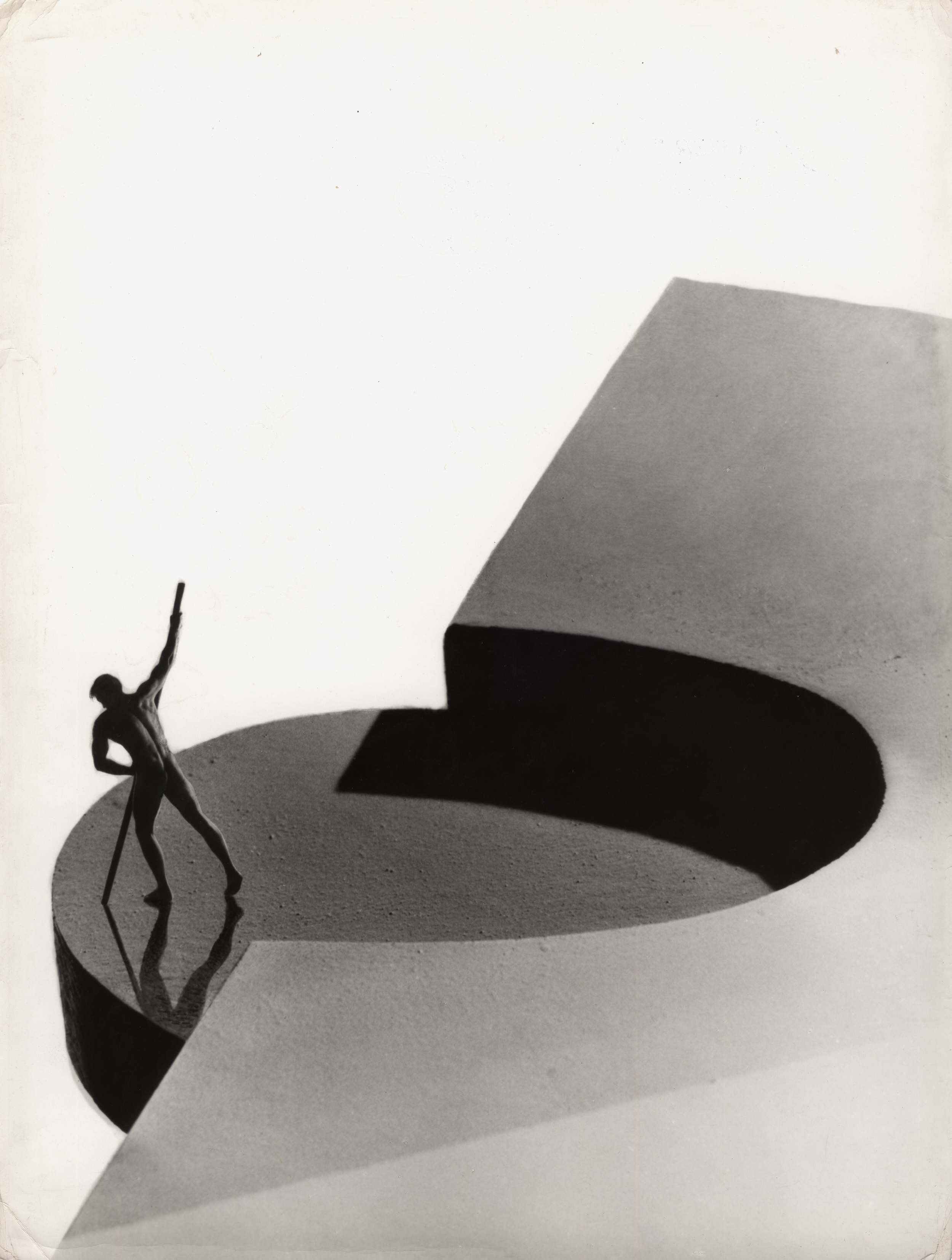
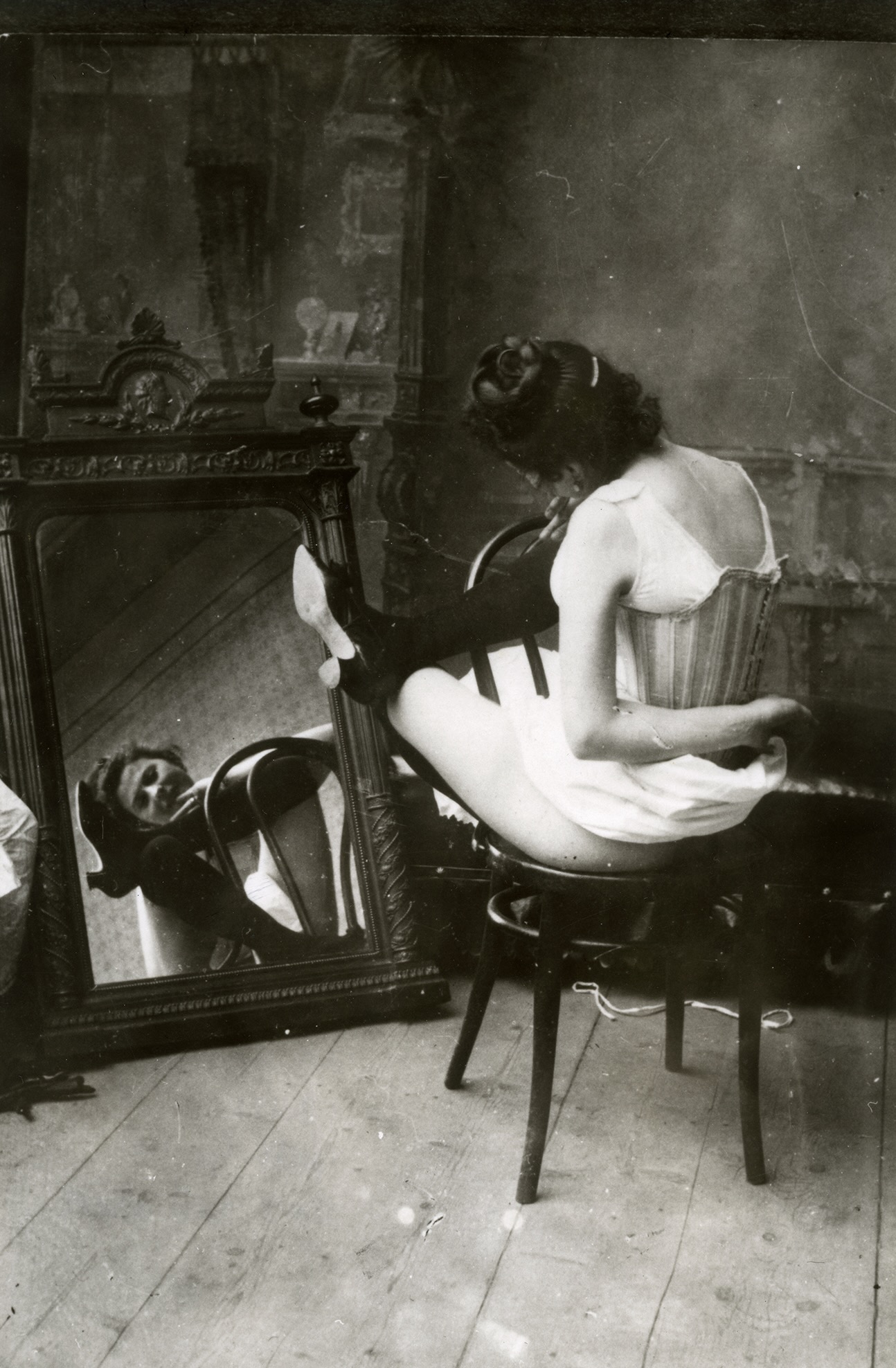
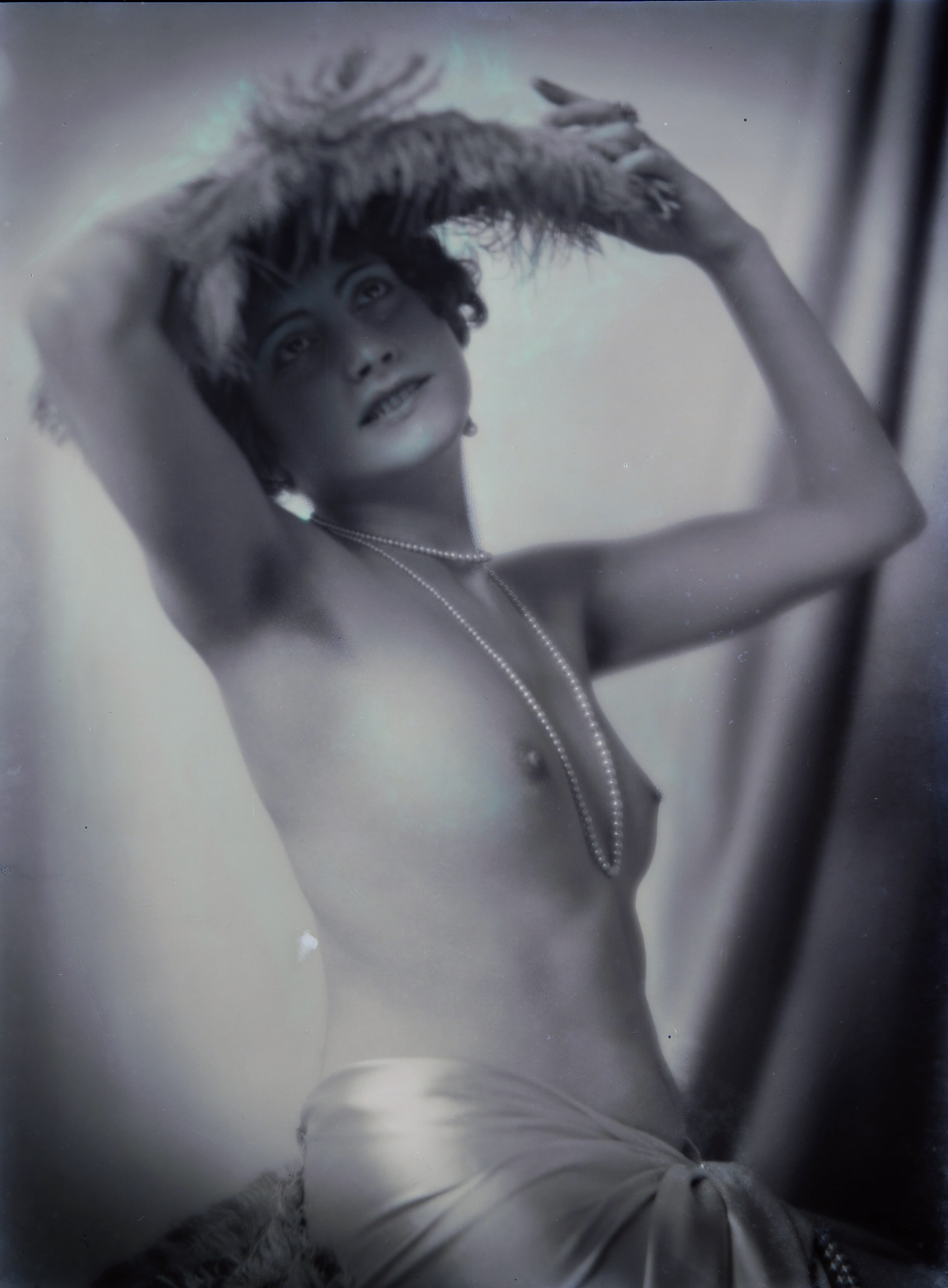
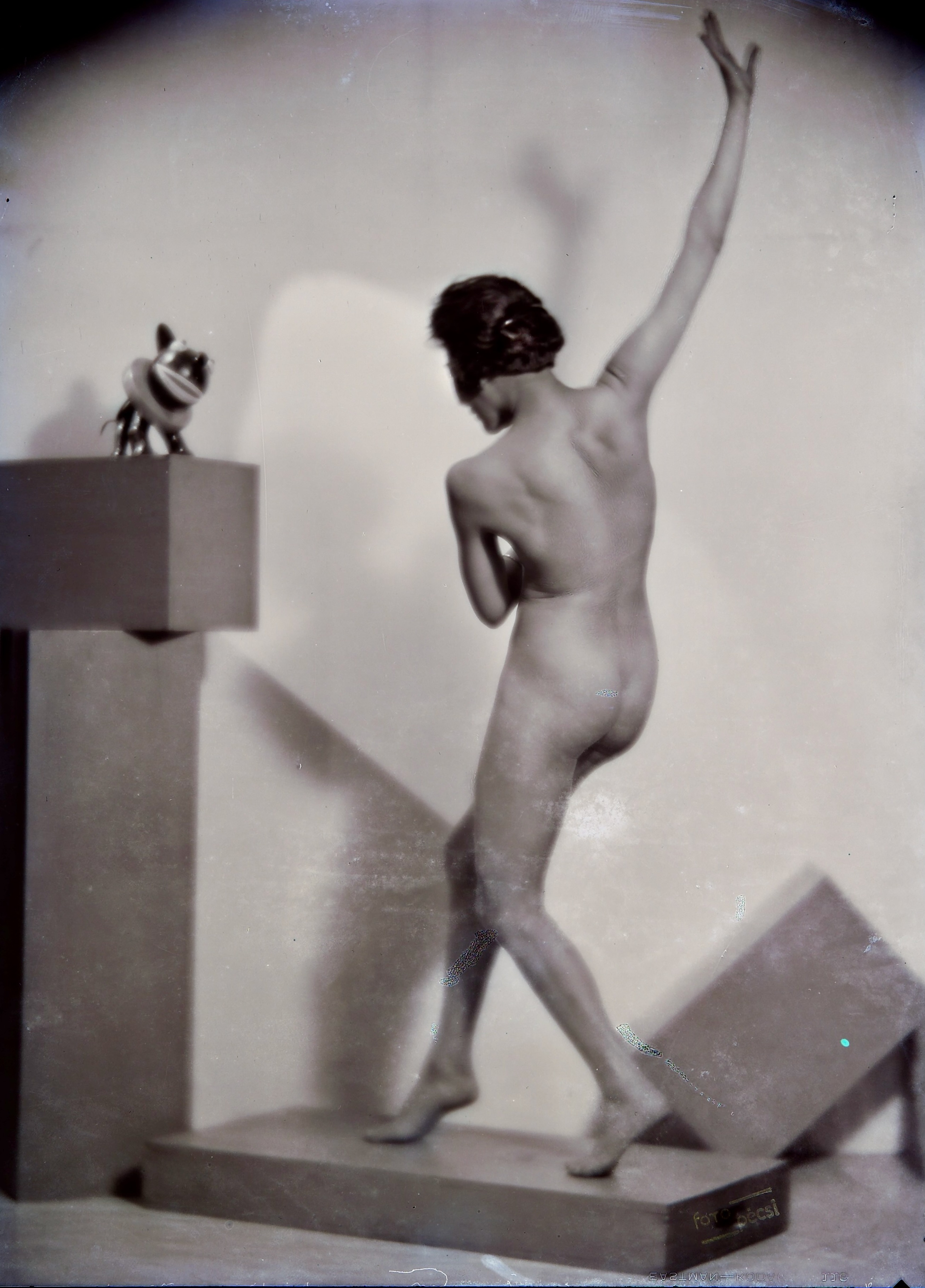
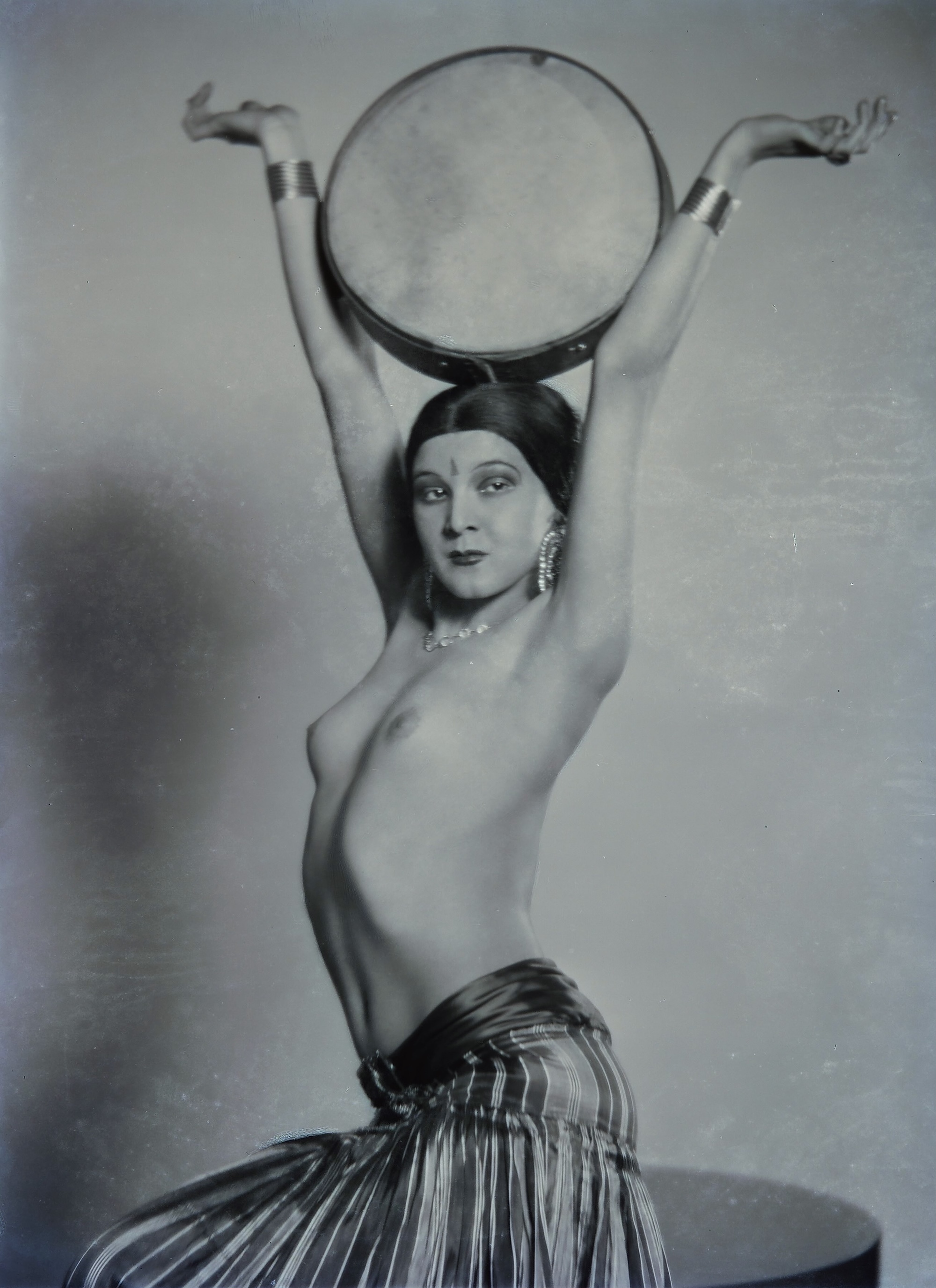
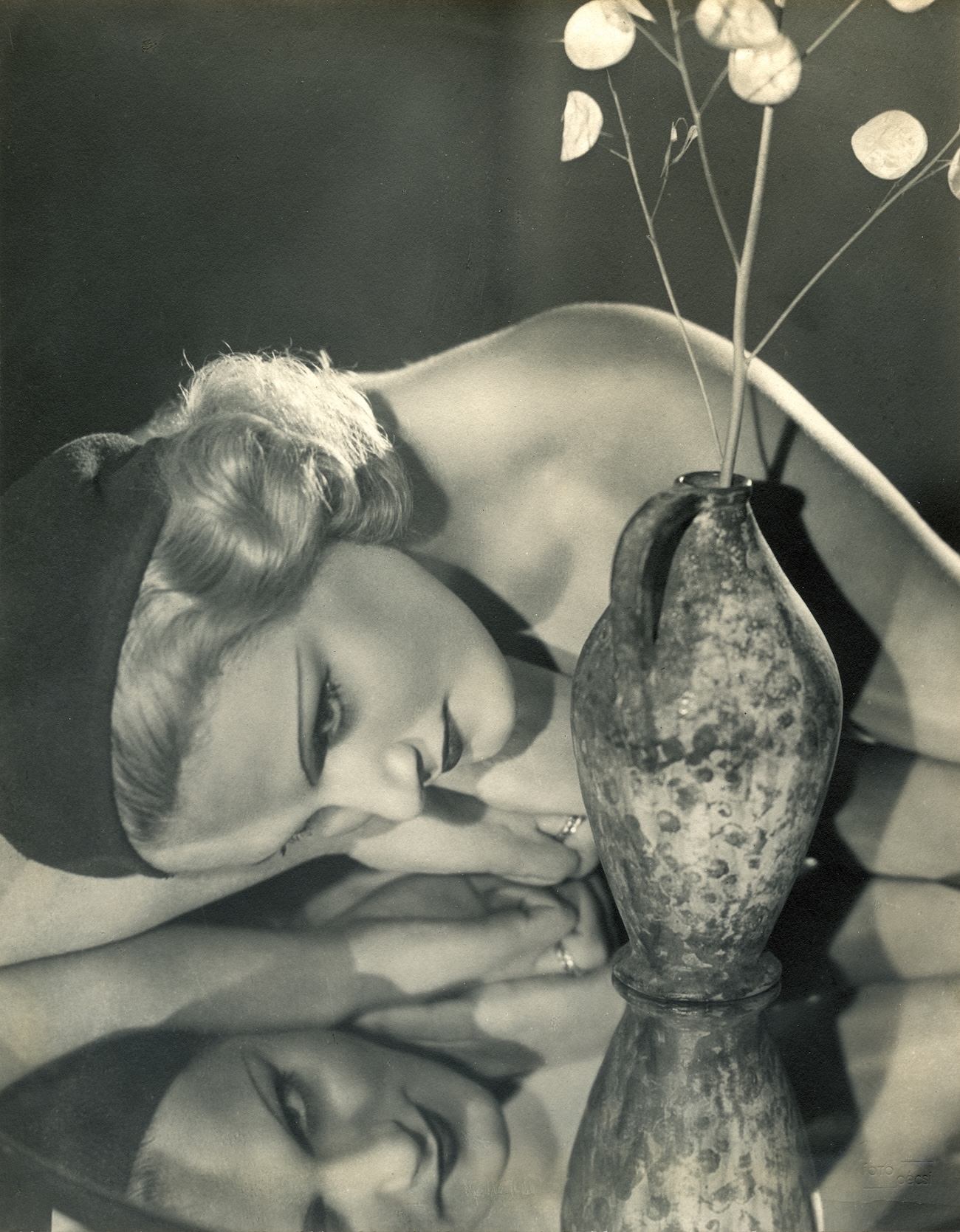
The early 20th century marked a turning point in the representation of the human body. Photography—still a young medium at the time—offered new possibilities for capturing nudity, promising both technical precision and aesthetic sensitivity. Nude photography built on the traditions of painting, but it also transcended them by claiming objectivity and documenting the body's physical presence. Thus, the body became not merely a subject of depiction but an image re-created through photography—where art and documentation, intimacy and composition, desire and aesthetics come together.
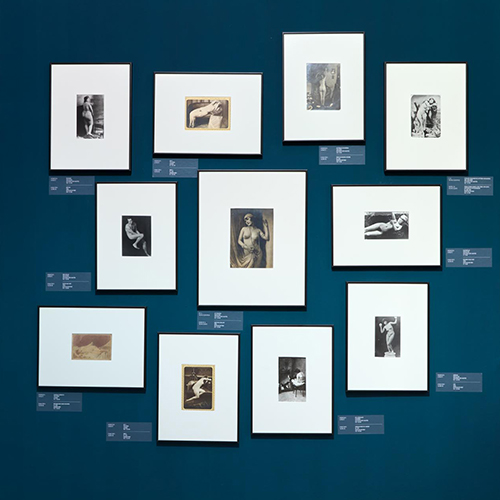
The photographs in this exhibition evoke not only the beauty ideals of their era but also reveal the shifting relations between vision, desire, and representation. At the turn of the century, society was at once prudish and yearning for liberation: the public portrayal of the female and male body was always charged with tension. Nude photographs emerged within this in-between space—at the intersection of art, eroticism, and social convention. The selection presents a wide range of perspectives: classical studio poses recalling painterly precedents; idealized forms seeking timeless beauty; experimental compositions in which the play of light and shadow anticipates the language of modernism; and amateur snapshots that capture more intimate, personal moments. Collectively, these works explore the connections between the body, the gaze, and the photographic medium.
The title “Undressed in Light” carries a dual meaning of nakedness—suggesting not only physical but also spiritual exposure. The presence of the camera is never neutral: it does not merely record but shapes, interprets, and positions what it captures. The body becomes visible as an image created by the medium itself. In these photographs, it is not only the models who undress, but the era itself is revealed. The boundaries between art and morality, public taste shaped by middle-class values, and the impulses that sought to challenge these constraints all become visible. The exhibition invites viewers not simply to observe bodies but also to reflect on how the body is transformed—from subject to image, and, finally, into an experience of seeing.
At the time, photography was not only a tool of documentation but also one of discovery. It opened new possibilities for the visual representation of intimacy, desire, and the body. Today, these images have become imprints of their era—bearing witness both to the evolution of the medium and to the changing norms of society. The bodies once alive now live on through light. Their presence, transformed into an image, continues to raise questions today: What do we truly see when we look at the body—and what does our gaze reveal about ourselves?
Exhibited artists: Angelo, Manci Bäck, Ferenc Berko, Károly Demeter, Ervin Kankowszky, Miklós Labori Mészöly, Olga Máté, József Pécsi, Dénes Rónai
Suggested time to visit the exhibition: 30‒50 min.
Mai Manó House is not barrier-free.
Please note that the exhibition is accessible exclusively to visitors aged 18 and above.
Please note that audio and video recordings may be made on our events, from which Mai Manó House may use extracts to promote the institution's programmes.