Magyar


Thank you! Your submission has been received!
Oops! Something went wrong while submitting the form.
The exhibition is open to the public:
06 November 2026 – 17 January 2026
Curator: Péter Baki
Opening: 05 November 2026, Thursday, 6 pm.
The exhibition will be opened by Zsolt Sári, State Secretary for Public Collections and Cultural Developement.


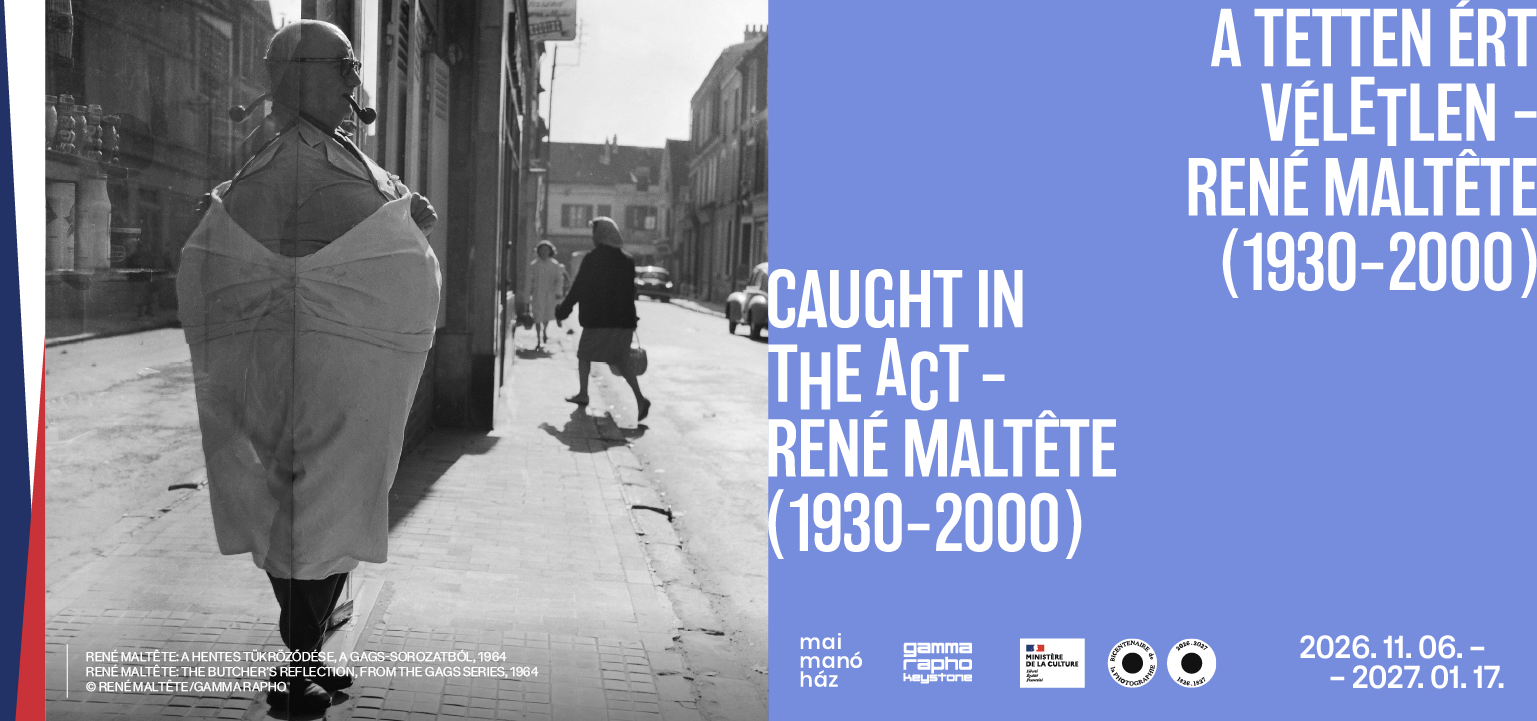
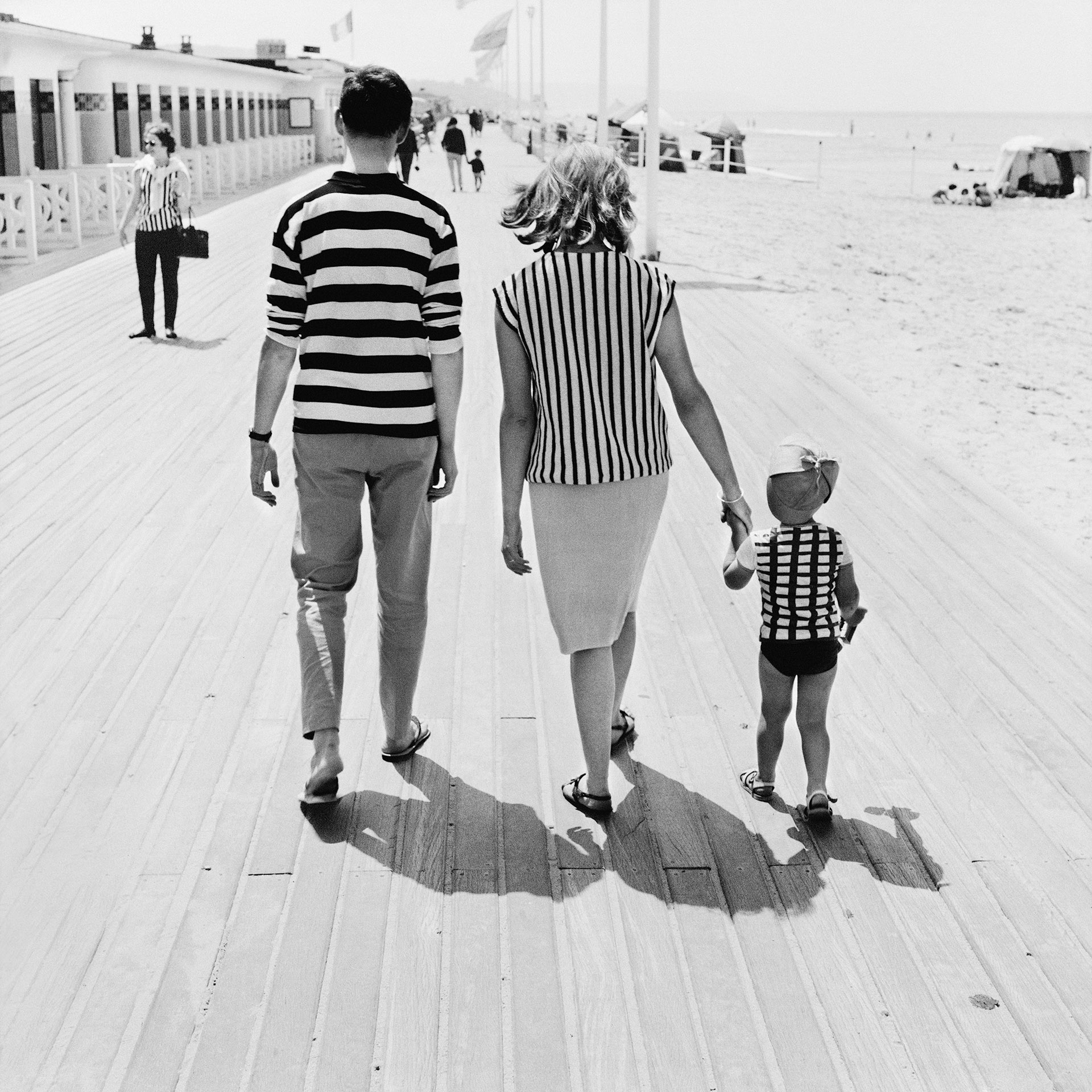
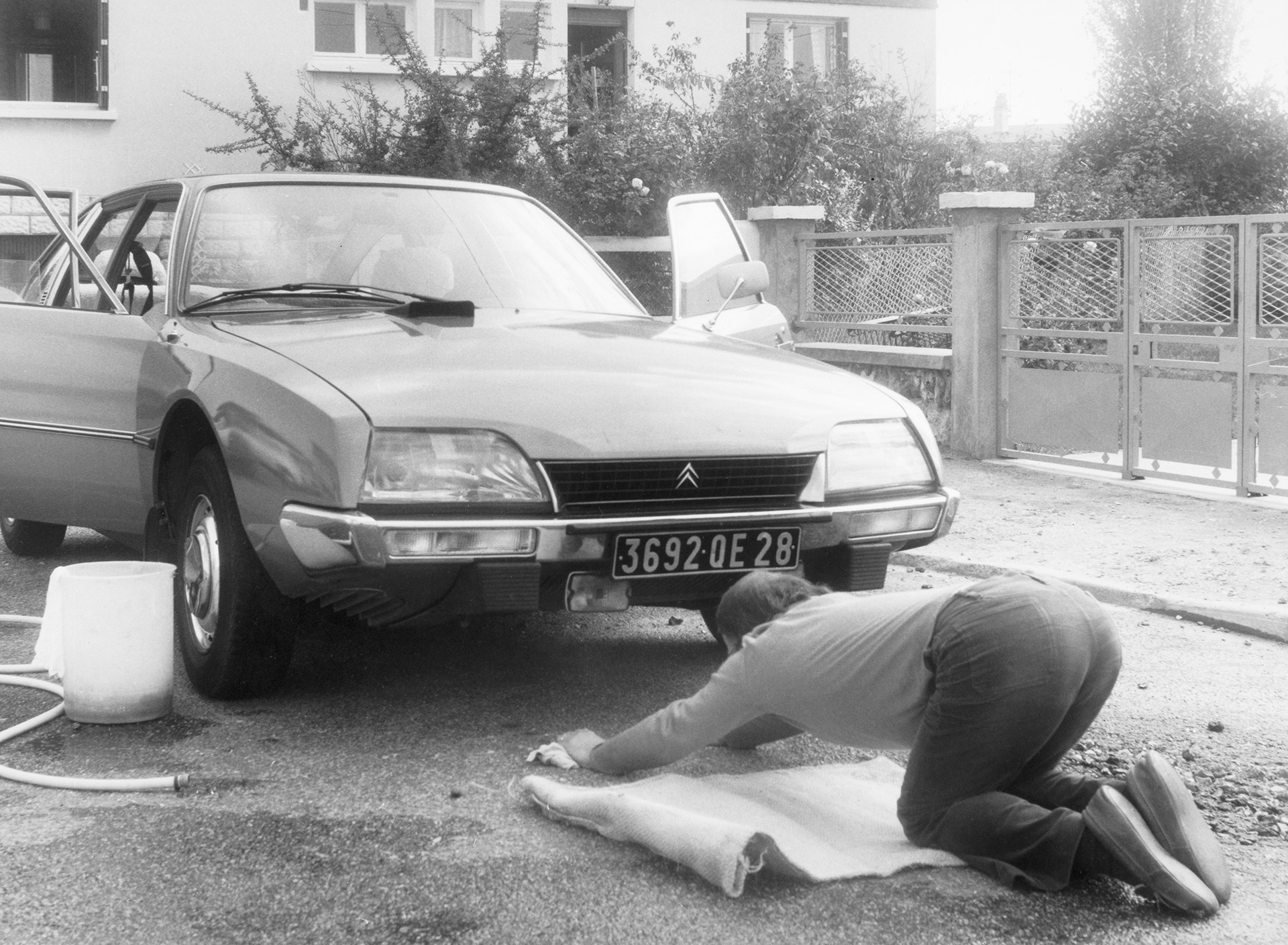
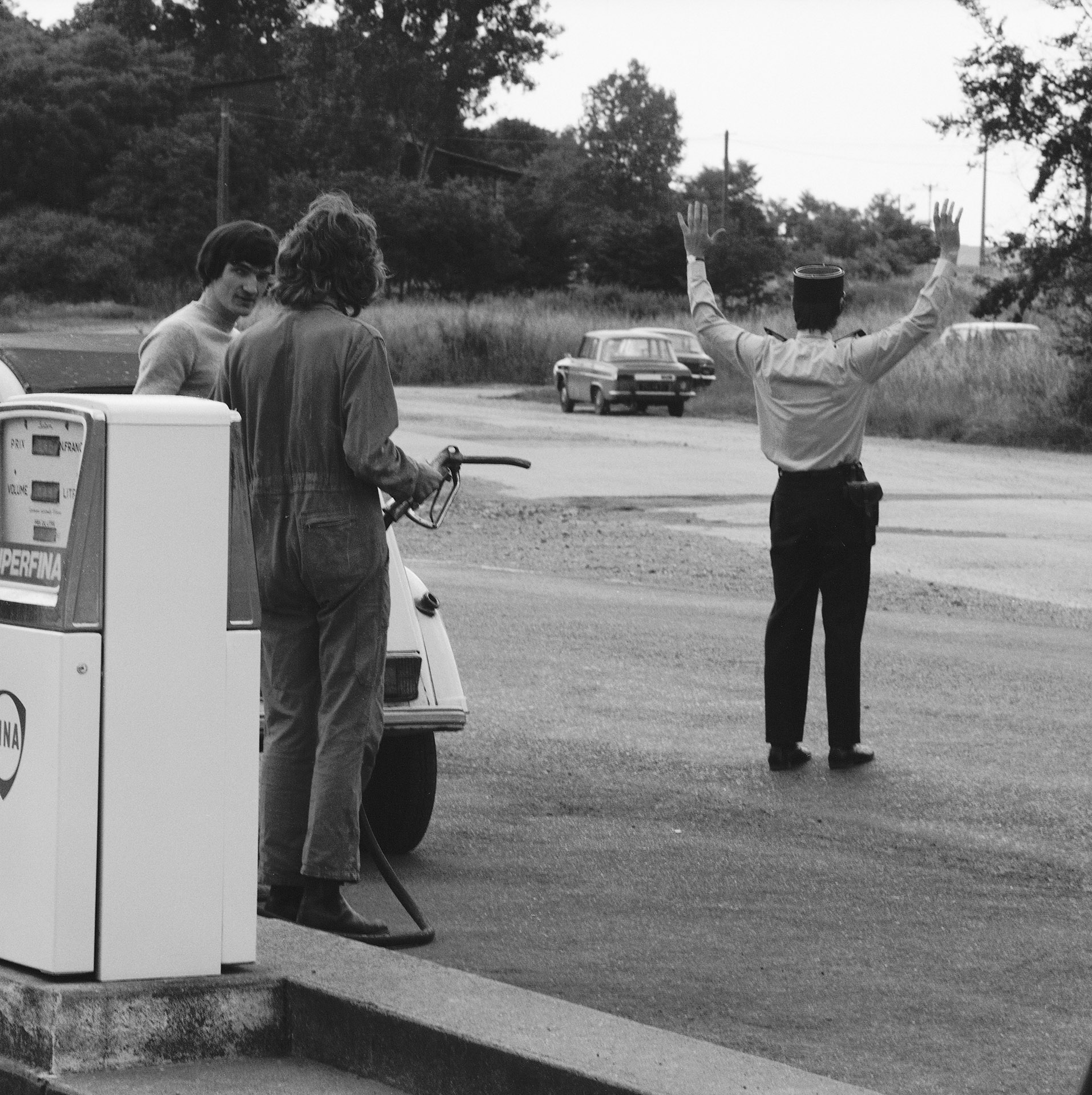
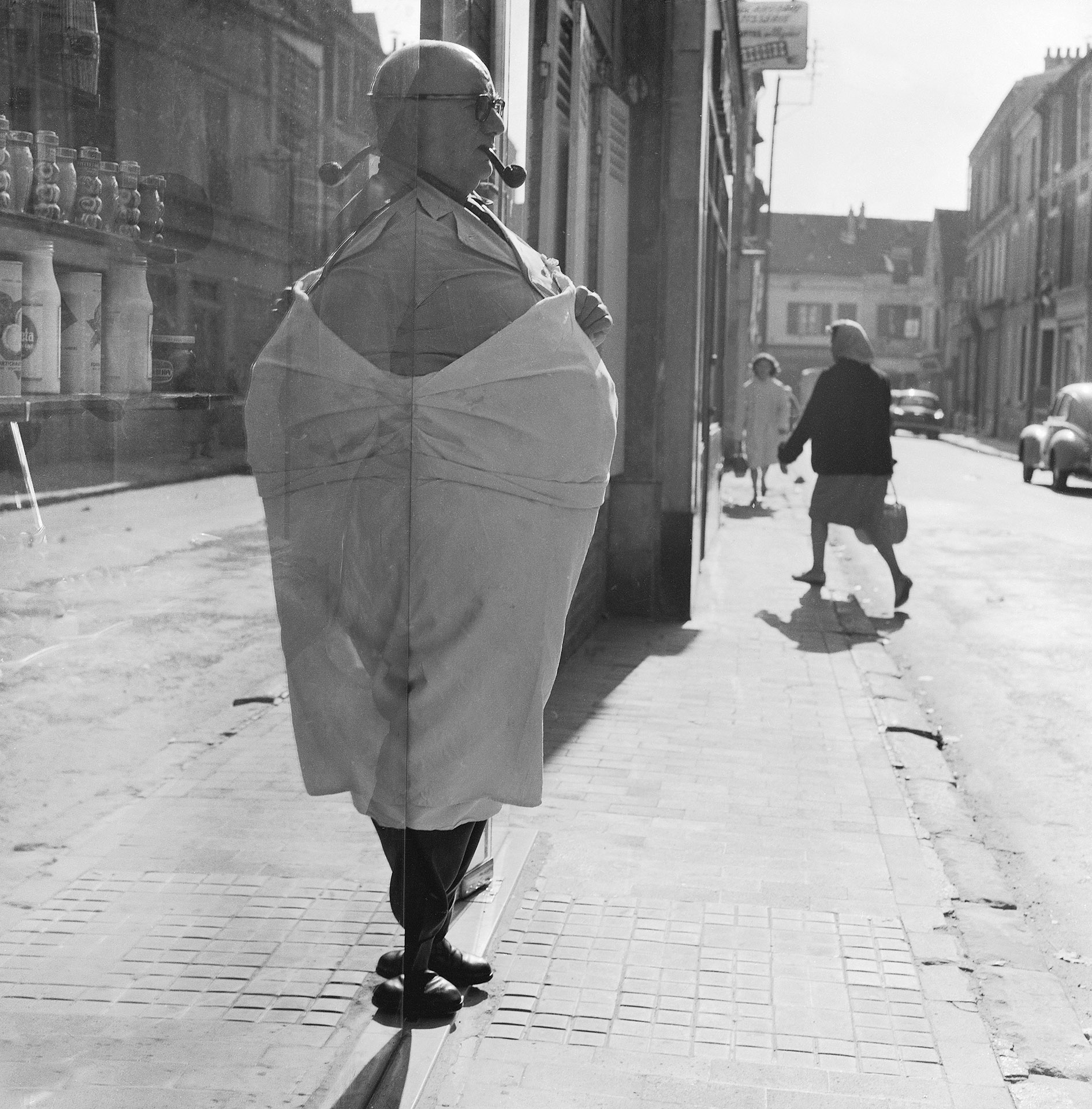
The oeuvre of René Maltête (1930–2000) introduced an unconventional approach to twentieth-century French humanist photography, presenting everyday reality from a hitherto unusual, fresh perspective. In Maltête’s work, visual humour and irony are not merely ephemeral anecdotes or superficial narrative ornaments, but the primary means of expression in his photography, arising directly from the very structure of the images. Through this distinctive Maltêtian vision, the current exhibition introduces the viewer to a visual universe where the mostly coincidental juxtapositions of human figures and the built environment become not just subjects, but the absolute, composition-organizing protagonists of the pictorial space.
This unique creative disposition culminated in the intellectual and cultural climate of the second half of the twentieth century, which we identify today as the golden age of French street photography—a traumatic yet dynamic period of post-war reconstruction and modernization. The radical restructuring of everyday reality in the 1950s, 1960s, and 1970s demanded new representational strategies from the photographers of the era. Maltête repositioned the boundaries of humanist photography within this discourse by elevating humour to a primary aesthetic quality at the centre of his social tableaus. At the same time, his art is rooted in a deeply ethical stance: for him, the comic element never devolves into mockery, cynical derision, or unworthy caricature of his subjects. Instead of exposing vulnerability, Maltête is characterized by deeply empathetic reflection and poignant analytical observation, with which he registers the existentially absurd interactions between the individual and the built or natural environment. The structured material of this retrospective exhibition vividly demonstrates the internal logic of these compositions. In the visual world unfolding before the visitor, the unadulterated reality of French everyday life is articulated through a strict geometry of rigorously calibrated visual parallels, textural rhymes, and sharp formal contrasts.
For Maltête, however, chance did not mean the exclusivity of spontaneity. From a young age, he was interested in film directing, and this visual thinking also left its mark on his photographs: at times, he himself created staged scenes in which the subjects, gestures, and environment came together into a deliberately shaped composition. At the same time, these images feature the same playful irony and subtle absurdity as the photographs in which he captured unexpected situations offered by reality, as if chance and staging were two different paths to the same peculiar visual world. In many cases, however, the line between the two approaches cannot be clearly drawn: we cannot know whether a strange, almost incredible situation is the result of an unexpected alignment of reality or a deliberately composed scene. This uncertainty makes engaging with the images both playful and mysterious, as the viewer becomes part of the subtle dynamic in which reality and imagination, chance and staging, are in continuous play with one another."
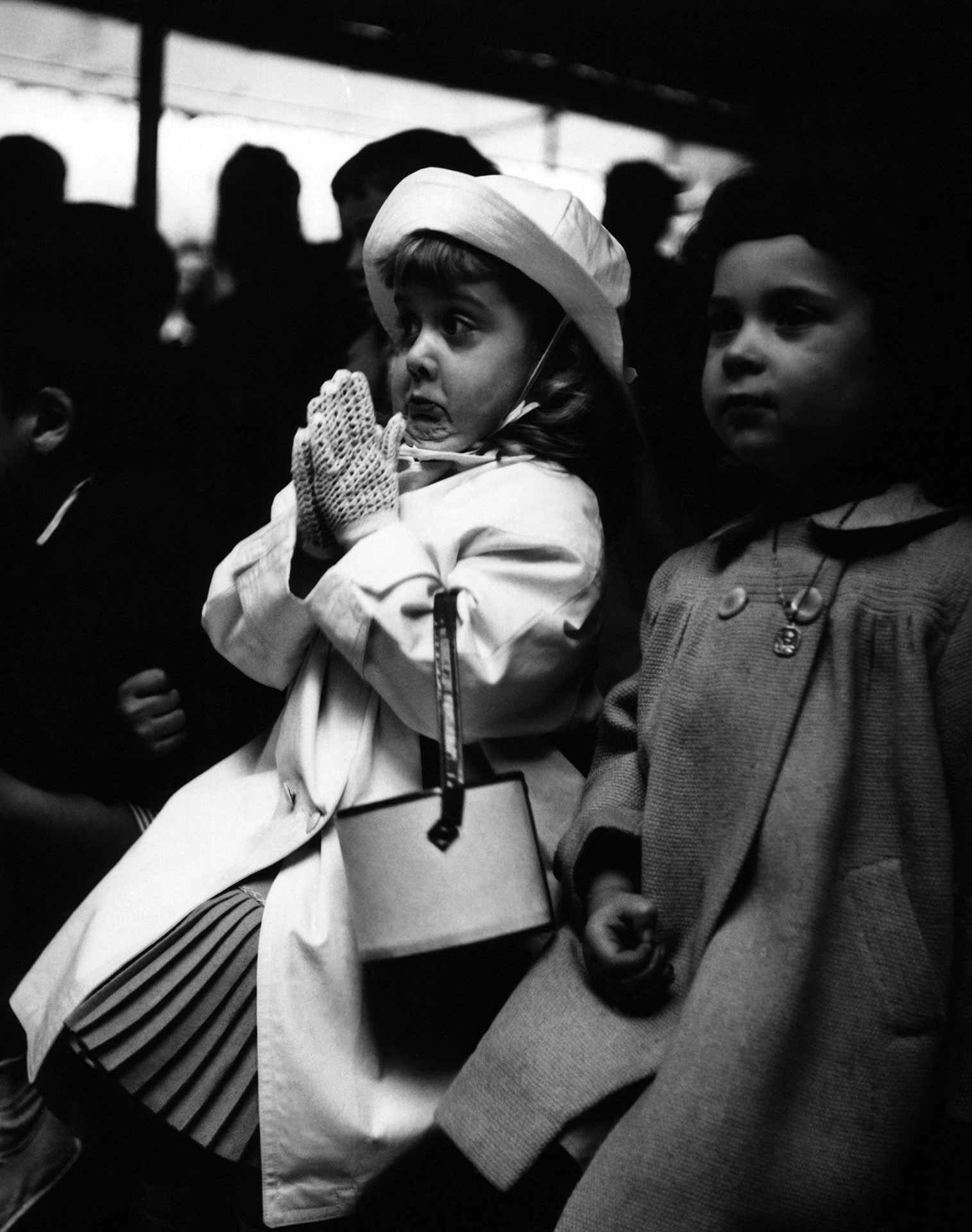
Maltête’s choice of subjects is remarkably diverse, encompassing a wide variety of social strata and locales. The typical figures of Parisian streets or children playing light-heartedly in suburban neighbourhoods are just as much a part of his imagery as quiet rural squares or coastal vignettes. Although the general public primarily identifies him with his wryly humorous photographs, his lyrical and poetic vein weaves through his entire body of work. This is no coincidence, as alongside photography, he was also engaged in writing and publishing poetry. For him, the camera was an instrument of visual poetry. He possessed the ability to tell complete human stories through a single, well-timed moment. Out of mundane, fleeting moments, he created condensed narratives that prompt the viewer to immediate reflection and a genuine smile.
Maltête’s photographs remind us that the visual irony, humanist attitude, and compositional playfulness hidden within the apparent monotony of the everyday can still be detected in our contemporary environment. To recognize these phenomena, we must find our way back to that pure, unbiased way of seeing with which the photographer reduced the visual noise of reality to capture its unrepeatable, condensed moments. Thus, beyond paying tribute to his life's work, the exhibition offers a new perspective capable of brightening our own perception of everyday reality.
122 vintage prints are on display at the exhibition.
Suggested time to visit the exhibition: 40‒60 min.
Mai Manó House is not barrier-free.
Please note that audio and video recordings may be made on our events, from which Mai Manó House may use extracts to promote the institution's programmes.
René Maltête (Lamballe, 1930 – La Ferté-Veilleneuil, 2000) He began taking photographs at the age of sixteen with a Pontiac 6×9 camera. In 1951, he moved to Paris, where he initially worked as an assistant director, notably alongside Jacques Tati. After purchasing a Semflex camera in 1954, he turned his focus to photography and joined the Rapho agency in 1958. After being rejected by several publishers, his first book, Paris des rues et des chansons, was published in 1960. Featuring texts by Jacques Prévert, Boris Vian, Georges Brassens, Charles Trenet, and Pierre Mac Orlan, the book appeared in three editions and sold 35,000 copies. In 1973 he launched the Art en Dreux cultural programme together with friends. He was invited to the Rencontres d’Arles photography festival in 1979 and 1980. His photographs were published in magazines including Asahi Camera, Camera, Epoca, Life, Look, Paris Match, Popular Photography, and Stern.