Magyar


Thank you! Your submission has been received!
Oops! Something went wrong while submitting the form.
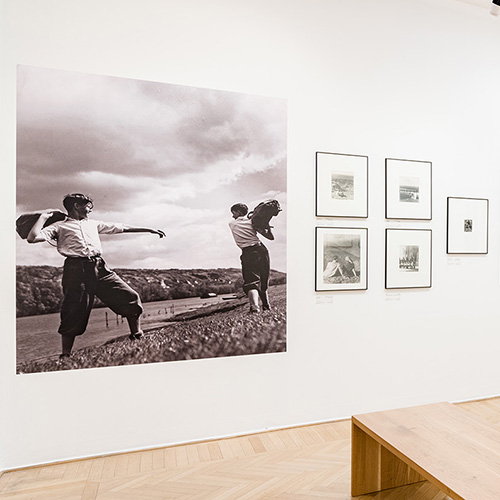
The exhibition is open to the public:
03 September 2026 – 25 October 2026
Curator: György Németh
Opening: 02 September 2026, Wednesday, 4 pm.
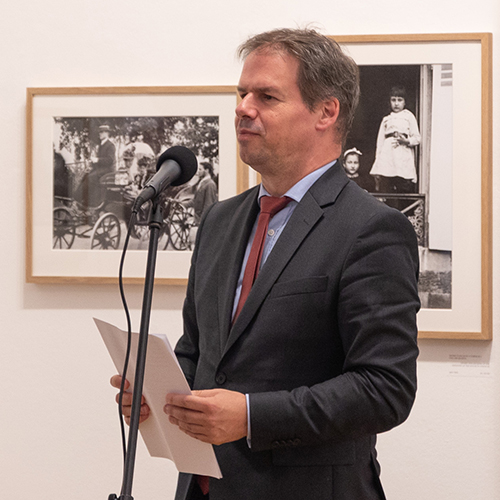
The exhibition will be opened by Csilla E. Csorba, Art Historian, Photographic Historian.
Online ticket purchasing options


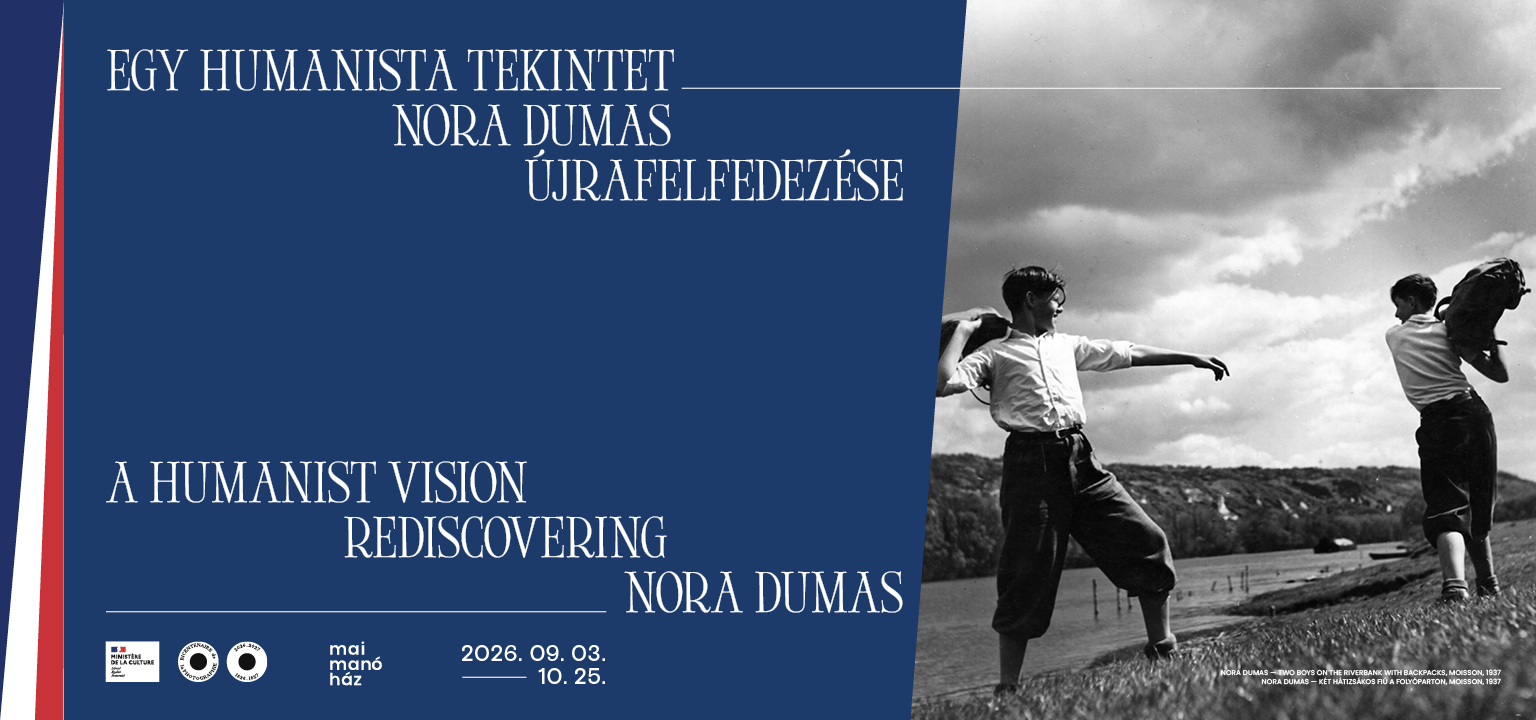
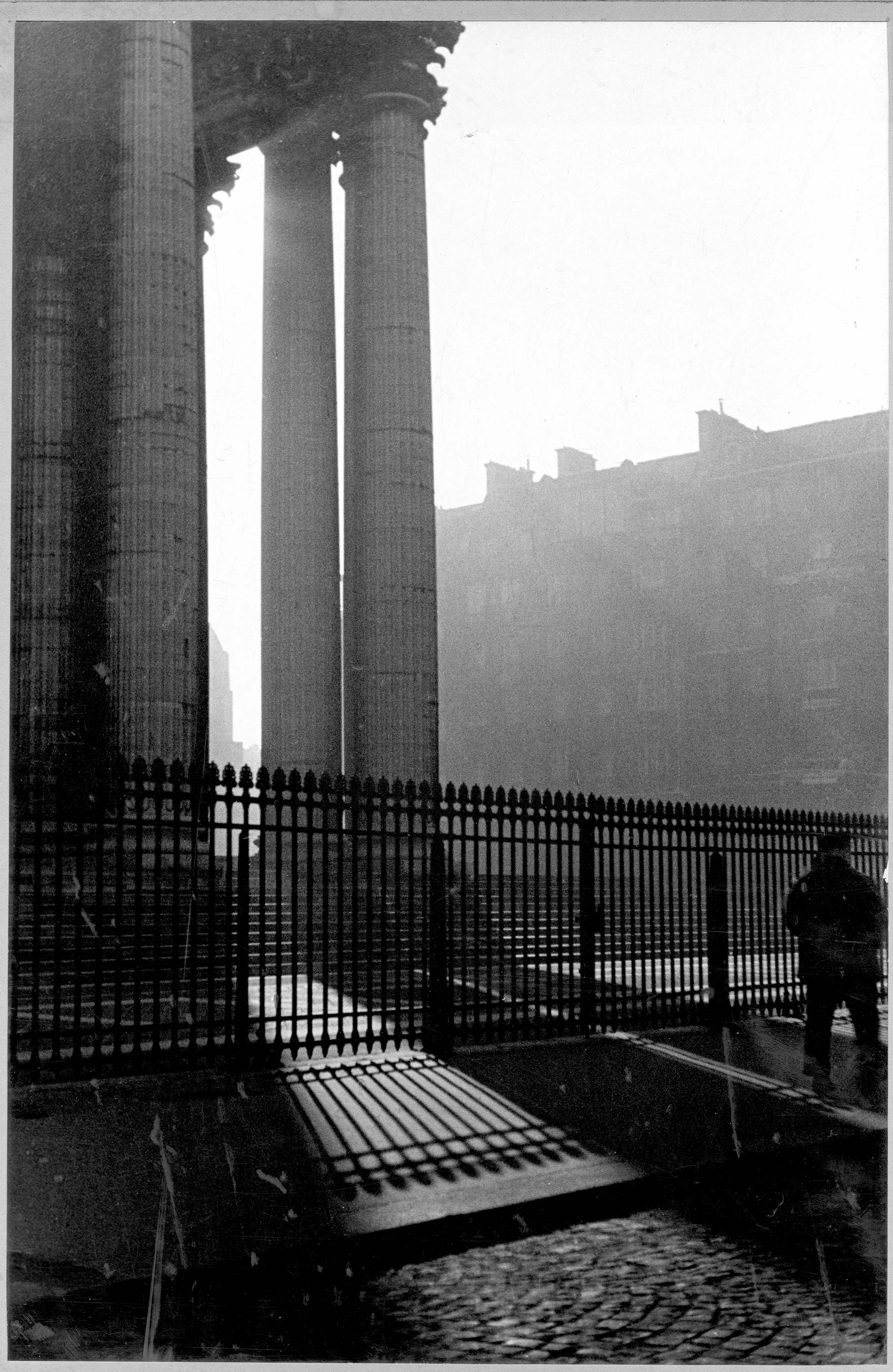
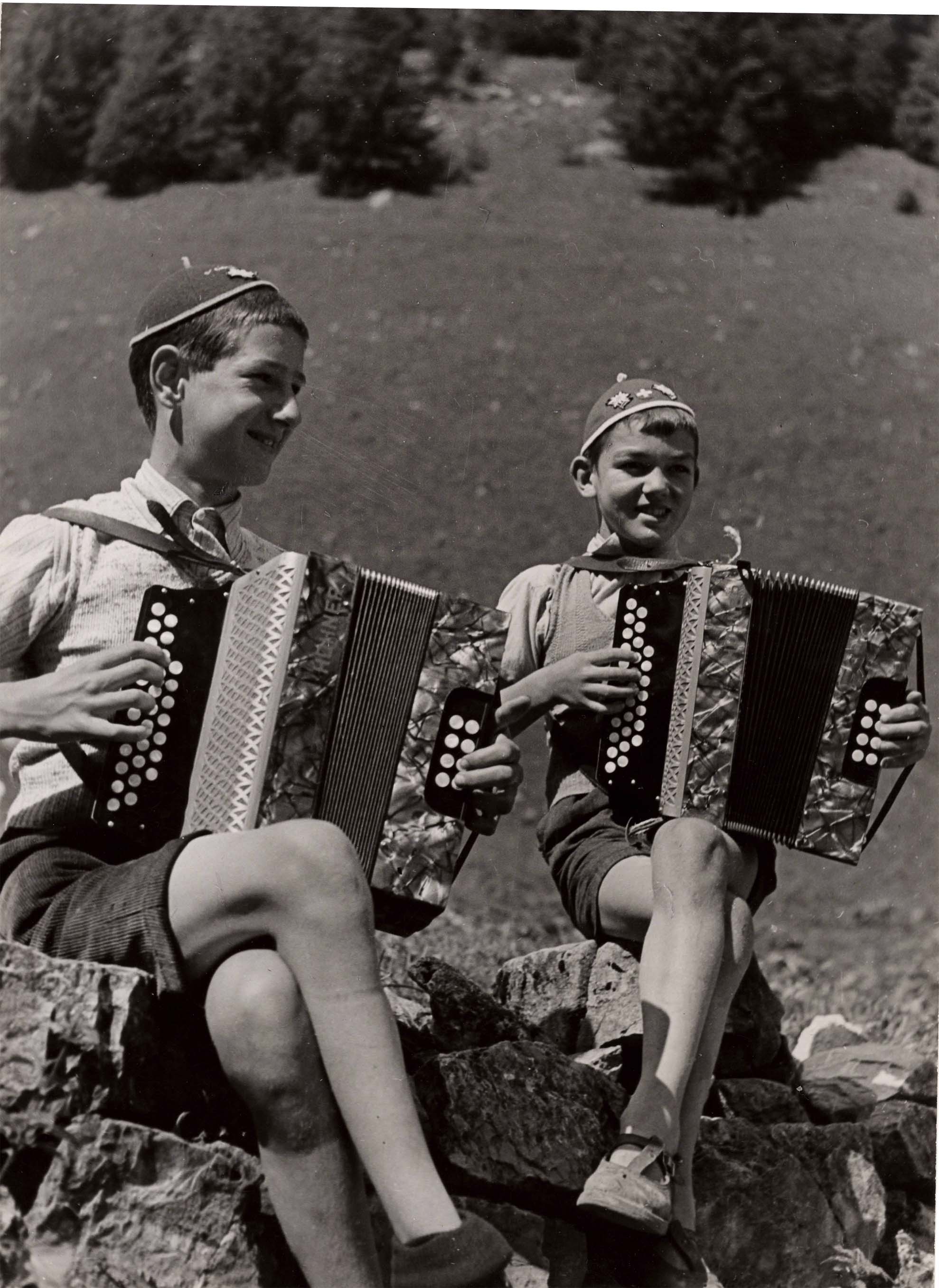
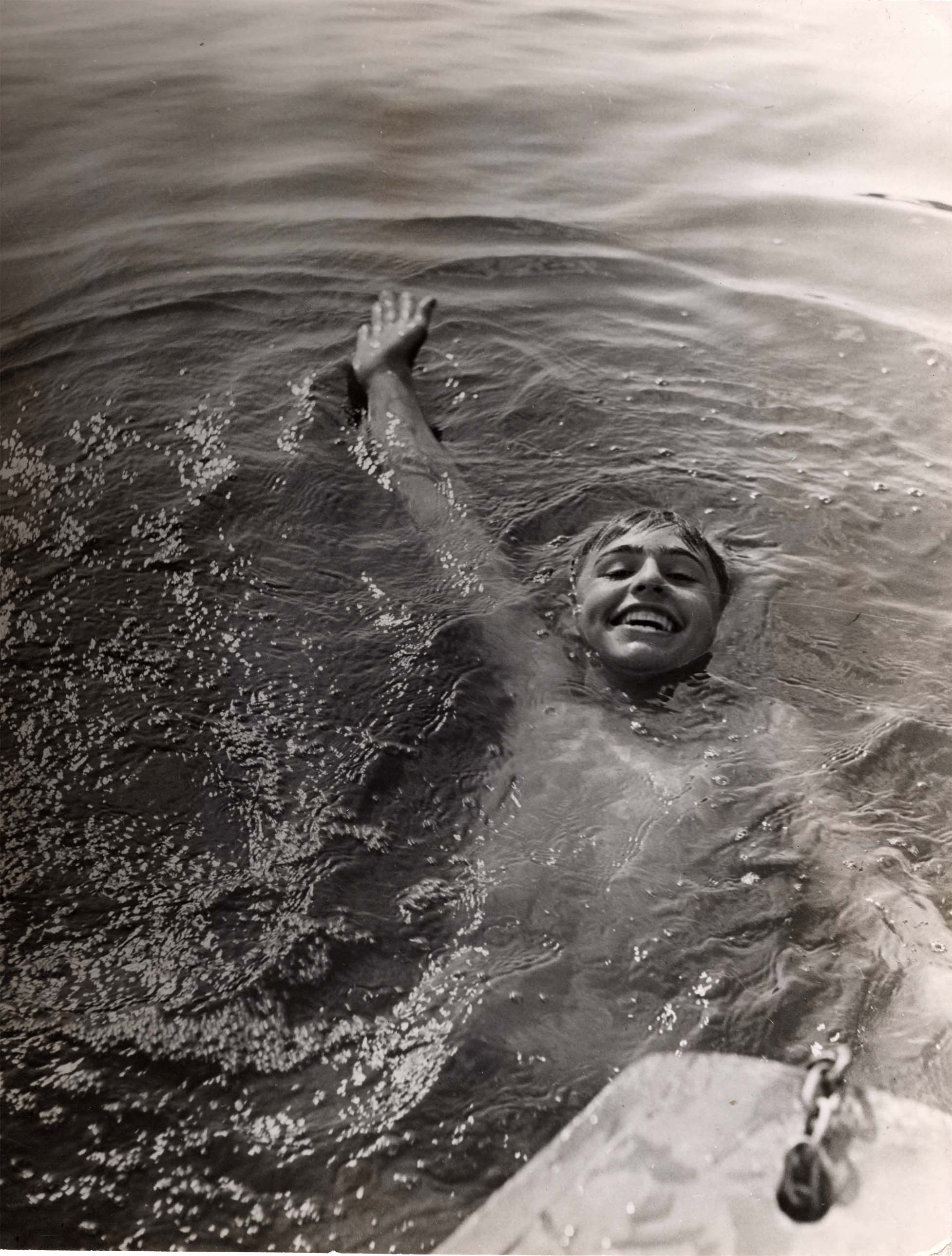
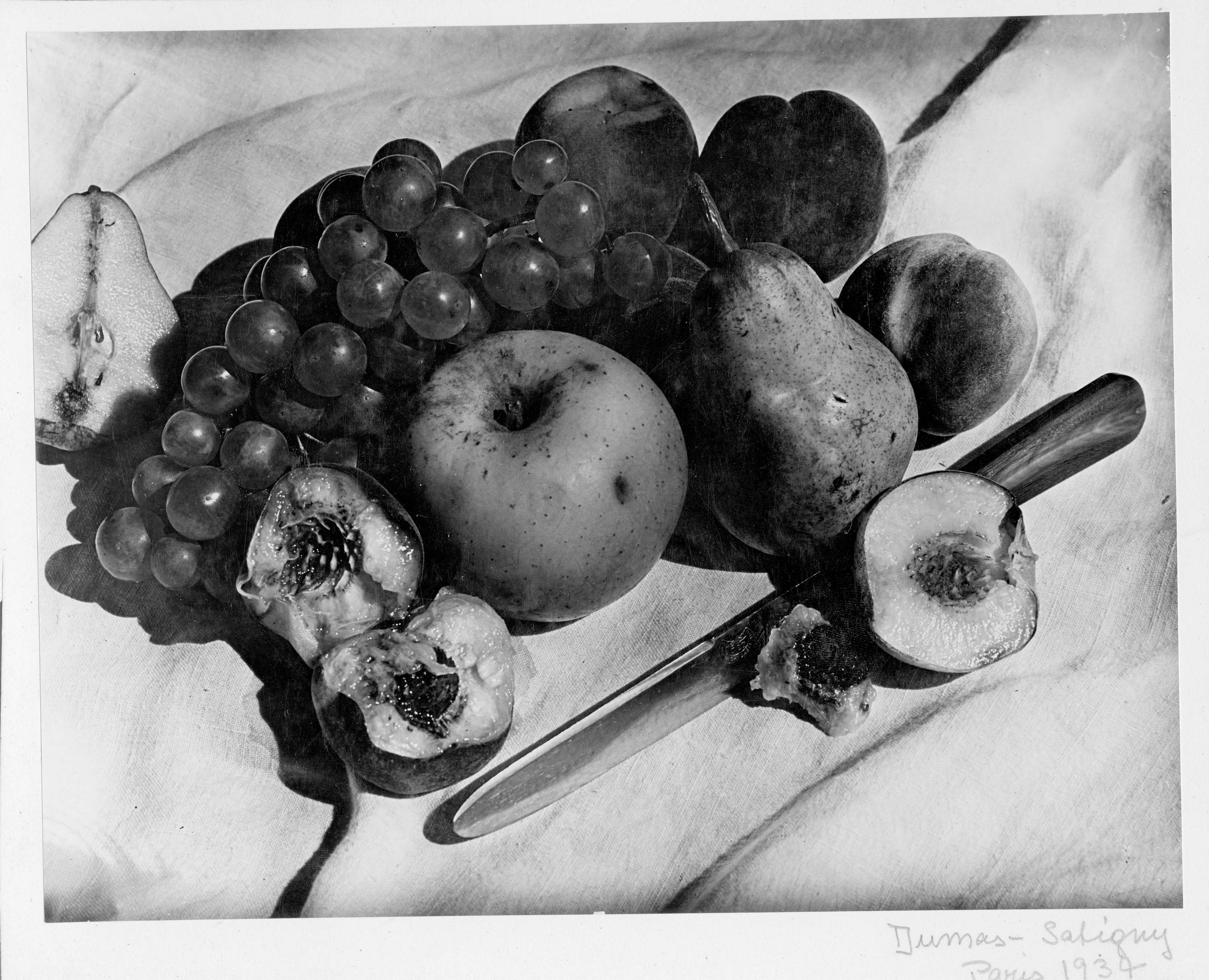
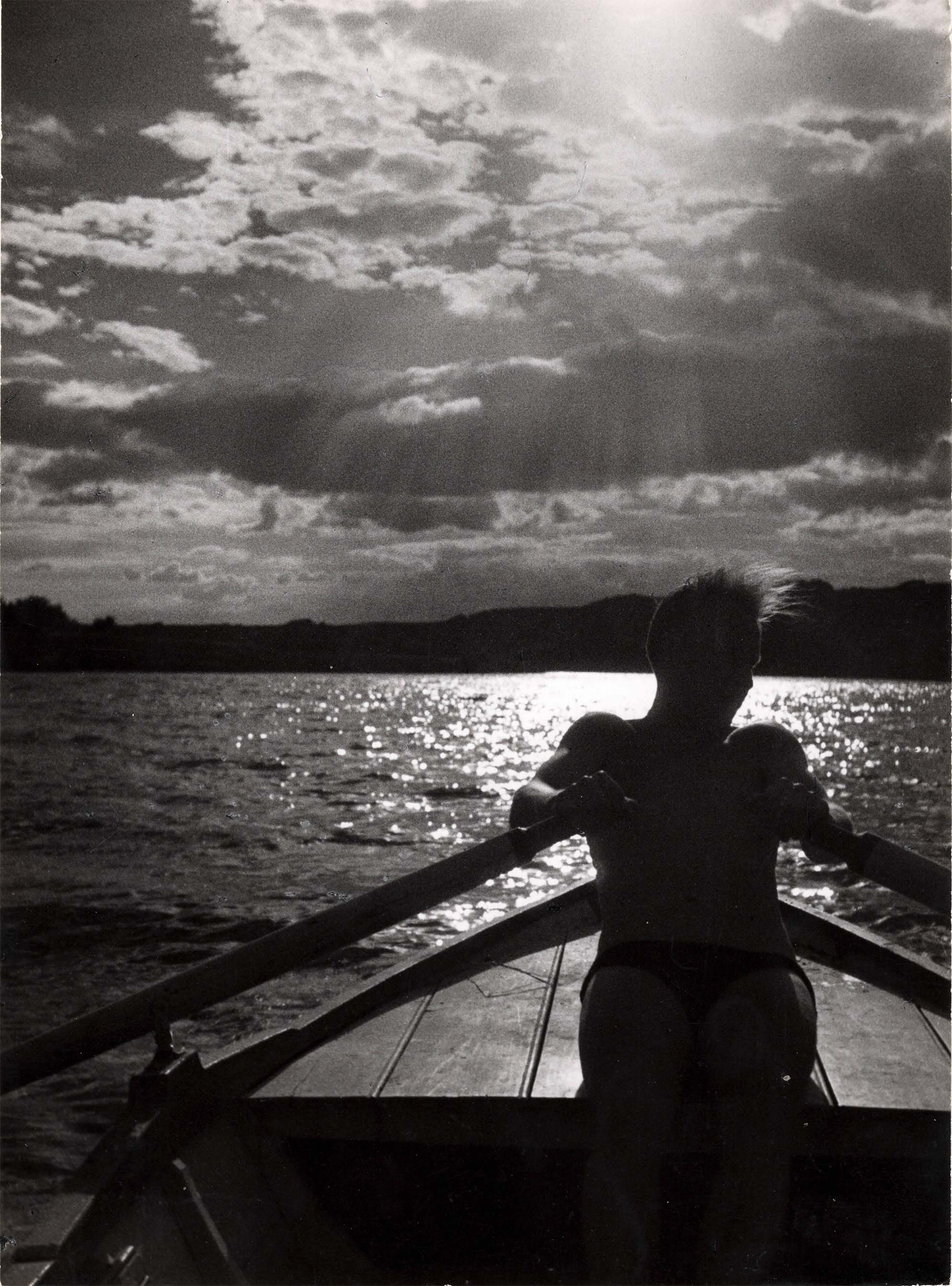
Born in Budapest as Nóra Telkes, Nora Dumas belongs to the generation of Central European émigré photographers who played a crucial role in shaping modern photography in interwar Paris. Moving within a network that included figures such as Brassaï, André Kertész, and other Hungarian-born artists, she contributed to a broader redefinition of photographic vision during the 1930s. While often associated with the Rapho agency—founded in 1933 by Hungarian émigré Charles Rado—and later linked to French humanist photography, Dumas developed a distinct visual language grounded in formal clarity, quiet empathy, and a sustained attentiveness to everyday life and human presence.
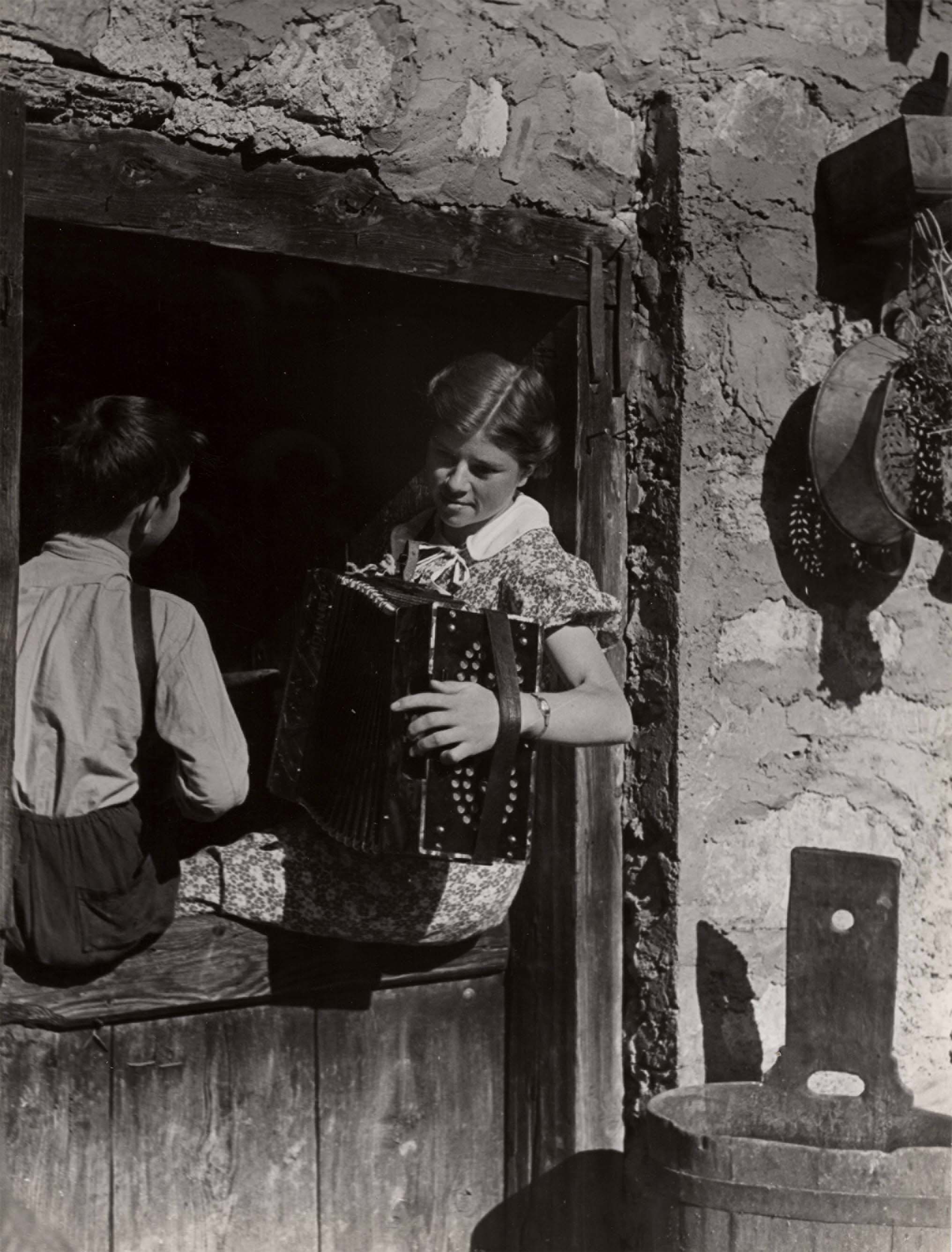
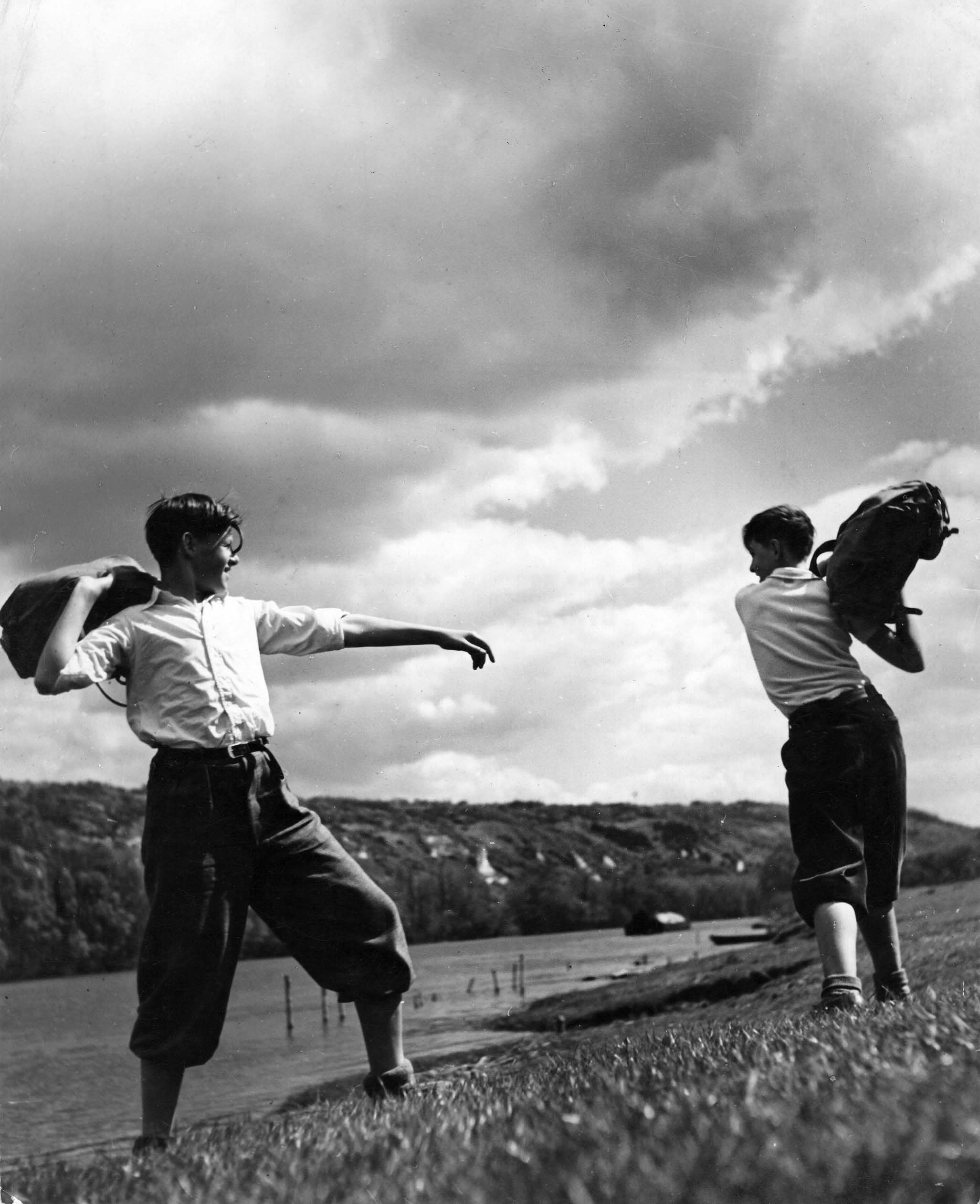
Her photographic career began relatively late, in the mid-1920s, after her return to France from the United States. After settling with her husband in the rural village of Moisson along the Seine, she encountered a visual world that would become central to her work. There, she turned her attention to the rhythms of rural existence: agricultural labour, seasonal cycles, and the close interdependence of humans, animals, and landscape. Her photographs—depicting women carrying water, children in worn clothing, or draft animals at work—record a way of life already beginning to disappear under the pressures of modernisation.
Yet Dumas’s images transcend straightforward documentation. Her work is marked by a subtle synthesis of documentary precision and a restrained, almost painterly sensibility. The textures of earth, fabric, and foliage become compositional elements, while gestures of daily labour are rendered with dignity and formal clarity. Her careful use of light and spatial balance creates images in which stillness and movement coexist, and where the physical weight of labour is matched by a quiet emotional resonance. Rather than idealising her subjects, she reveals the inherent structure, dignity, and quiet intensity of everyday experience.
Alongside her rural subjects, Dumas also explored the possibilities of studio photography, particularly in her studies of the female nude created in dialogue with fellow Hungarian émigré photographers such as Ergy Landau and Ylla. These works reveal her refined understanding of form, light, and the expressive capacity of the human body, situating her within a broader modernist photographic discourse of the 1930s. For decades, her oeuvre was partially obscured by confusion surrounding the signature “Dumas-Satigny,” which in fact referred to her husband, Adrien, whose work differs significantly from her own.
Dumas maintained an active professional practice across multiple contexts, publishing widely in magazines such as VU, Bifur, Arts et Métiers Graphiques, and Mieux Vivre, while also engaging in illustration, portraiture, and commercial commissions. Whether working on an editorial assignment or depicting rural life in Moisson, she approached each subject with the same sensitivity to gesture, atmosphere, and the material realities of lived experience.
In the 1950s, after relocating to the shores of Lake Geneva, she gradually withdrew from photography. Today, her work stands as a vital yet long-overlooked contribution to twentieth-century photography. Positioned between documentary observation and a quietly poetic modernism, Nora Dumas’s images reveal a world in transition while preserving the dignity, complexity, and enduring presence of everyday life, memory, and human experience.
Suggested time to visit the exhibition: 30‒40 min.
Mai Manó House is not barrier-free.
Please note that audio and video recordings may be made on our events, from which Mai Manó House may use extracts to promote the institution's programmes.